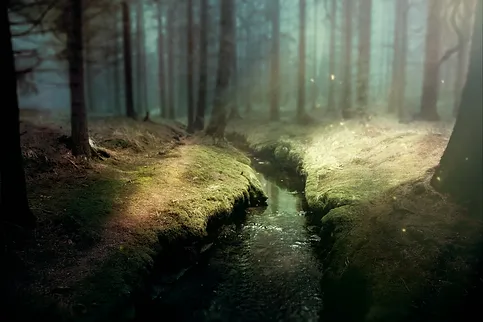
Writing About Mental Health in Speculative FictionSpeculative fiction gives writers unusual tools for exploring inner life. A haunted house can embody grief, a telepathic network can expose intrusive thoughts,…
The allure of the Byronic hero in Tartan NoirFew fictional figures carry as much immediate charge as the Byronic hero. Proud, damaged, intelligent and emotionally guarded, he moves through a story with…
How To Build A Fantasy World Without Info-DumpingA compelling fantasy setting feels larger than the page, yet the reader should never feel trapped beneath a lecture about its history, geography, or magic…
Exploring Interdimensional Travel in Flash FictionA door opens onto a city where gravity has been outlawed. A voicemail arrives from a version of Earth that never invented war. A child returns from another…
The Pros And Cons Of Present Tense In Short StoriesVerb tense quietly controls the reader’s relationship with a story. It determines whether events feel remembered, reported, or experienced as they unfold. For…
Breaking the Rules Without Breaking the StoryGenre conventions give readers familiar signals. A detective story promises questions and clues, fantasy suggests altered realities, and Tartan Noir often…
The Living Exchange Between Stories And ReadersA short story may be written alone, but it is completed in the mind of another person. Online publishing makes that exchange visible: a reader can recommend a…
When the Wild Becomes the Story’s Greatest ThreatNature is often treated as scenery in speculative fiction: a distant forest, an alien ocean, a ruined city reclaimed by vines. Yet the natural world can do far…