


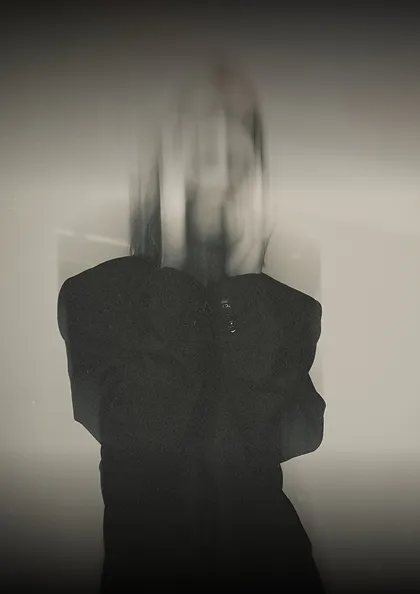

Crafting a noir atmosphere through sensory details
Noir lives in the senses. A rain-darkened street, the scrape of a chair across a tiled floor, or the sour smell of old beer can suggest danger before a character sees a weapon. Sensory detail gives a crime story its moral weather: the atmosphere feels heavy because the world itself seems to be warning the reader.
For Australian writers, noir has a particularly rich soundscape. A Melbourne laneway after midnight, a Sydney ferry cutting through black water, or the dry hiss of summer cicadas can create tension without imitation of American hard-boiled fiction. The setting becomes recognisable, local and quietly threatening.
Let sound carry the suspense
Sound is often the first sign that something is wrong. A character may hear a lift stopping on the wrong floor, a bottle rolling beneath a table, or footsteps losing their rhythm behind them. Use specific noises rather than general statements such as “the street was quiet”. Silence becomes more unnerving when the reader knows what should be present: traffic, insects, music or voices.
Australian environments offer distinctive acoustic details. The whine of a tram in Melbourne, the slap of harbour water against a wharf, or the distant announcement at a suburban railway station can establish place in a few words. During a hot evening, cicadas may scream from a gum tree while a ceiling fan ticks above a suspect’s head. Familiar sounds become sinister when they repeat at the wrong moment.
Vary the distance and volume of each sound. A police siren fading towards the city suggests escape, while a neighbour’s television murmuring through a thin wall creates claustrophobia. In a chase, quick sensory changes can control pace; a useful discussion of the fast-paced chase scene shows how movement and pressure can work together.
Use smell to reveal what sight conceals
Smell is intimate and involuntary. Characters can close their eyes, but they cannot easily stop noticing petrol, wet wool, disinfectant or someone’s stale cologne. A scent can also place the reader inside a building before its furniture becomes clear: damp carpet in a cheap motel, eucalyptus smoke on a rural road, or frying onions drifting from a late-night takeaway.
Choose smells that carry social information. The sharp sweetness of an energy drink, the medicinal odour of a hospital corridor and the greasy warmth of a servo pie tell us something about time, class and circumstance. A detective entering a flat might notice bleach beneath the smell of coriander, suggesting an attempted clean-up without stating it directly.
Memory makes scent especially powerful in noir. A character may associate lavender soap with a missing sister or wet concrete with a childhood accident. Let the association arrive imperfectly, perhaps as a physical reaction before an explanation. The reader should feel that the past has entered the room without permission.
Make texture physical and morally charged
Texture places the body in danger. Rough brick can tear a palm, vinyl can stick to bare skin, and a woollen coat can hold the odour of rain for hours. These details make a scene tactile while revealing how exposed or trapped a character feels. A smooth surface may be just as unsettling when it is too clean, too cold or impossible to grip.
Consider the contrast between public and private spaces. A polished bar in Sydney’s CBD may conceal grit beneath the stools, while a polished wooden desk in an outer-suburban office may be scarred by years of nervous tapping. In a Melbourne laneway, wet bluestone can turn a hurried step into a fall. The physical environment should resist the characters, not merely decorate their movements.
Texture can also suggest evidence. Mud on a trouser cuff, powdered plaster under a fingernail or the fibrous edge of a torn envelope may become important later. Keep the description precise and restrained. Noir gains force when an object is noticed before its meaning is understood.
Layer sensory clues without overloading the scene
Strong atmosphere comes from combination. Rain has a sound, a smell and a texture; it rattles on a roof, brings up the odour of drains and darkens a character’s cuffs. Select two or three senses for a moment rather than cataloguing every detail. The aim is an emotional pattern, not a warehouse inventory.
Sensory details should also belong to the viewpoint character. Someone recovering from a fire may focus on smoke in curtains, while an exhausted paramedic notices the stickiness of dried blood. A character with an animal companion might read a room through the animal’s behaviour before understanding the danger themselves. For a related exploration of animal companions in fantasy, notice how non-human perception can widen a story’s emotional and sensory range.
When several clues point in the same direction, avoid explaining them immediately. Let the reader hear the loose window chain, smell the chemical cleaner and feel the cold draught. The inference belongs to the audience. Suspense grows in the gap between perception and certainty.
A practical sensory field kit
Before drafting, create a small bank of observations from the world around you. Visit a location at different times, listen without your phone for a few minutes and note what changes. Australian details should arise naturally rather than appear as tourist markers. A wet tram stop, an early market stall or a hot footpath outside a bottle-o can carry more atmosphere than a paragraph of geographical explanation.
Use this quick set of prompts:
- What sound would a stranger notice first?
- Which smell suggests recent human activity?
- What surface could injure, stain or betray someone?
- What familiar detail becomes unsettling after dark?
Then revise for pressure. Every sensory detail should establish place, reveal character, foreshadow evidence or increase discomfort. If it does none of these, remove it. Keep a second checklist for local realism:
- Check whether a venue’s alcohol service reflects state RSA rules.
- Use believable transport details such as Myki in Melbourne or Opal in Sydney.
- Remember that bushfire smoke, heat and sudden storms alter outdoor scenes.
- Treat privacy and surveillance realistically under the federal Privacy Act and relevant state laws.
A final sensory pass can transform a competent crime story into an immersive one. Read the scene aloud, mark repeated words and replace vague descriptions with concrete sensations. Writers looking for a home for speculative, fantasy and Tartan Noir fiction can explore Inspiring Fiction for examples of how atmosphere, place and character work together in short stories.