


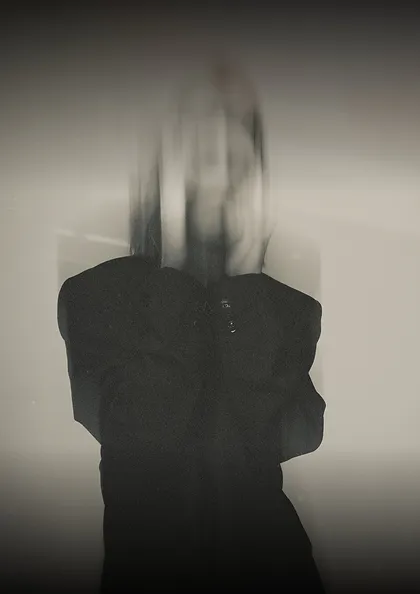

Writing noir with a poetic literary voice
Writing a Noir Story with a Literary, Almost Poetic Voice begins with a division between surface and pressure. A detective may search for a missing person, but the real subject is betrayal; a courier may deliver a parcel, but the story turns on what the parcel costs. Noir becomes richer when the plot is simple enough to carry ambiguity and the prose is precise enough to make every image feel consequential.
A poetic voice in noir is not an ornate layer placed over the mystery. It connects object, gesture and rhythm so that ordinary details carry a second meaning. The aim is restraint: the narrator notices what the situation forces them to notice, while the reader detects the gaps, echoes and moral discomfort that the narrator cannot admit.
Finding the pressure beneath the plot
Begin with a contradiction the protagonist cannot resolve. They may be honest in their actions but evasive in their thoughts, loyal to one person and complicit in another’s silence. Noir gains force when the external problem reflects an internal compromise rather than merely testing courage.
Let the prose register that contradiction without explaining it. An image can carry dread more effectively than a statement of fear: a rinsed glass beside a still-running tap, a coat returned with the wrong button, a phone charging face down after a lie. The reader should sense that the narrator has arranged the room to control what can be seen.
Building an interior world
Poetic noir depends on selective perception. The narrator notices the worn edge of a table, the angle of streetlight across a forehead or the minute hesitation before a handshake. These details belong to a mind under pressure, not to a neutral camera recording evidence.
A metaphor should deepen the scene rather than decorate it. If betrayal becomes a crack running through wet cement, describe what the crack changes: footsteps, light, access to a room. A noir sacrifice checklist can also help test whether the emotional cost of a choice feels specific enough to drive the narrative.
Letting dialogue carry subtext
Noir dialogue works best when the apparent subject differs from the real one. Two people may discuss football, rain or a delayed invoice while negotiating trust. The reader should understand the stakes without receiving a clean statement of them.
Vary sentence length to mirror control. Short statements can sound guarded, while longer clauses may drift towards rationalisation. Avoid making every line conspicuously clever; elegance depends on the occasional plain exchange that exposes the speaker’s lack of control.
Using sound and silence
Sound gives a noir scene its unseen architecture. A refrigerator hum, a lift motor and a neighbour’s television can make an isolated conversation feel exposed. Australian settings offer useful contrasts between mechanical noise and natural sound, from cicadas to distant surf.
Silence is equally active. Instead of describing what a character refuses to say, place the pause after a physical action: a hand closing around a key, a glance held a fraction too long. The surrounding dialogue should resume naturally, allowing the withheld thought to remain disturbing without becoming melodramatic.
Letting Australian texture disturb the noir code
Local conditions can alter behaviour and sharpen the story. A tram bell cuts through a Melbourne laneway meeting; rain arrives without warning on Sydney ferries; Brisbane humidity makes a shirt cling before a difficult confession; Perth’s low sun turns a hotel window into a blind. These details root the narrative while creating friction, concealing faces and distorting time.
Australian custom can work in the same way. An offer to shout a round at the pub may signal friendship, evasion or a test of loyalty. A shared drink can expose hierarchy more clearly than an argument. Such details should emerge through action and should serve the character’s dilemma, not read as a checklist of recognisable locations.
Controlling mystery and revelation
Give the reader one firm fact and several uncertain perceptions. Clues work best when they are visible before their significance becomes clear. A raised voice matters because someone else reacts to it; a locked door matters because the key is treated with unusual care.
Pace the revelations by changing what can be inferred, not simply what is known. A slow-burn tension guide can help maintain that pressure across a short narrative. Each disclosure should revise an earlier scene without erasing its emotional ambiguity.
Writing toward an Australian readership
Australian short-fiction readers encounter speculative fiction, fantasy and Tartan Noir across free-to-read digital magazines, themed competitions and independent publications. This market rewards a distinct sense of place, but local detail must coexist with universal motives such as love, fear, inheritance and self-preservation.
A contest can provide a useful frame for testing a story’s balance because the prompt imposes an external boundary while the writer determines its emotional depth. Authors developing a recurring character can consult the short-story sequel checklist to examine continuity without sacrificing the sharp focus expected from a standalone tale.
A practical control pass
Read the story aloud and listen for rhythm before judging individual sentences. Repeated constructions, accidental rhymes and overworked images are easier to hear than to see.
Rhythm and imagery
- Vary sentence length to match changes in control.
- Replace abstract emotion with one precise physical detail.
- Remove any metaphor that does not alter the scene.
- Read dialogue aloud for concealed rather than performed tension.
Revise the ending by testing the earlier imagery. A closing image may echo the opening without repeating it, allowing the final meaning to gather weight from what has accumulated between them.
Mystery and character
- Make every major clue perceptible on first reading.
- Ensure the narrator’s omissions arise from motive.
- Keep revelations connected to the central sacrifice.
- Preserve uncertainty where certainty would flatten the emotional conflict.
The strongest literary noir voice remains quiet enough for the reader to hear the fault lines. Its poetry comes from precision, withheld feeling and the careful return of images, each carrying more consequence than the words used to describe it.