


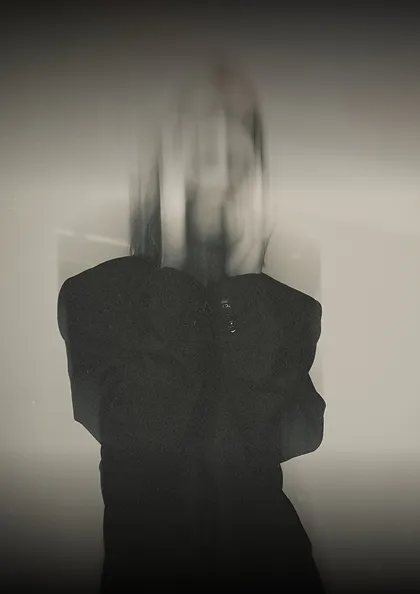

When the Detective Carries the Crime
Writing a noir story where the detective is the suspect turns the familiar investigation inside out. The person readers trust to interpret evidence, challenge lies and pursue justice may be hiding the central truth. Every clue becomes double-edged: it can solve the crime, expose the investigator or reveal how skilfully they have manipulated the case. Learn more about Double Or Quits.
This premise works especially well in short fiction, where suspicion must arrive quickly and every scene needs pressure. A private investigator in a Melbourne laneway, a police officer on the edge of a Queensland town or a debt-ridden security consultant in western Sydney can all become compelling suspects when their professional instincts are tangled with personal guilt.
Make the investigator’s role unstable
Begin by deciding what the detective actually did. They might have committed the murder, caused it accidentally, covered up an older crime or simply possess knowledge that makes them look guilty. The strongest version usually gives them a credible reason to investigate while making that investigation emotionally dangerous.
A detective who is entirely innocent may still work if the story concerns framing, corruption or mistaken identity. However, noir gains its distinctive moral tension when the investigator has crossed a line. Perhaps they destroyed evidence to protect a mate, accepted cash from a local developer or let a vulnerable witness take the blame.
Give the detective a private objective that competes with the official case. Finding the killer may matter less than recovering a missing notebook, protecting a family member or locating the one witness who can destroy their reputation. This hidden mission should shape every choice they make.
Turn professional skill into evidence
Detectives know how to read a crime scene, so their expertise can become incriminating. They may notice a detail nobody else would see, know precisely how a lock was forced or anticipate the police response before it happens. Readers should wonder whether this insight comes from experience, guilt or both.
Avoid making the protagonist suspicious merely because they behave mysteriously. Their actions need practical consequences. If they redirect an interview, remove a photograph or delay calling the authorities, that choice should help the investigation in one way while increasing the danger in another.
A useful technique is to let the detective explain away evidence that points towards them. They identify a footprint as belonging to a size-nine work boot, then casually mention that they own the same brand. They insist the victim knew the killer, while concealing that they met the victim the night before.
Let the setting carry moral pressure
Australian noir benefits from locations with strong social textures. A crime in a Melbourne laneway can move from a late-night kebab shop to a closed bar, where everyone recognises the detective and nobody wants to be quoted. In a regional New South Wales town, gossip travels through the pub, the footy club and the servo before the formal investigation begins.
Local speech can establish trust and concealment. A witness who says “yeah, nah” may be refusing without sounding confrontational; a suspect who calls someone “mate” may be offering warmth, warning or both. Use these expressions sparingly, allowing context and rhythm to carry their meaning rather than turning dialogue into a display of slang.
The setting should also create practical obstacles. A Queensland storm can wash away prints, a long drive across the Nullarbor can isolate a suspect, and a heatwave can make an abandoned car impossible to ignore. Housing stress, mining money, developers buying up old suburbs and the influence of local clubs can give the plot a recognisably Australian economic background.
Control what the reader believes
A first-person narrator can make the detective’s guilt immediate, but it also raises the problem of trust. The narrator may lie openly, omit facts or describe events accurately while misunderstanding their significance. First person works best when the detective’s emotional honesty is stronger than their factual honesty.
Third person offers more flexibility. You can stay close to the investigator’s thoughts while allowing readers to notice contradictions in their behaviour. They might think, “I had never seen the room before,” while the narrative quietly mentions their hand moving towards a concealed drawer.
Suspense depends on fair concealment rather than cheating. The detective can withhold information, but the story should provide clues that become meaningful on a second reading. A missing coffee cup, an oddly polished dashboard or a witness who uses the detective’s private nickname can carry more force than a dramatic confession.
Emotional control matters as much as factual control. A guide to evoking reader emotion can help shape the fear, shame and sympathy that keep readers invested in an unreliable investigator. The audience should feel conflicted about discovering the truth, not simply pleased to catch the protagonist.
Build the case through contradictions
Noir investigations thrive on competing explanations. Every major clue should support at least two interpretations for part of the story. Blood on the detective’s cuff could come from the victim, a cut hand or an earlier incident. A missing hour might indicate murder, panic or an attempt to protect someone else.
Use witnesses who are limited rather than conveniently deceptive. A tradie leaving a pub may remember the detective’s ute but not the driver. A neighbour may have heard an argument but confuse the voices. A junior constable may repeat the detective’s theory because challenging a senior figure feels unsafe.
The detective’s contradictions should accumulate gradually. They know the victim’s apartment layout, but claim they have never visited. They remember a precise time, then realise the clock was broken. They accuse another suspect of staging a burglary while quietly pocketing a key from the scene.
A short story needs compression, so select a few high-value contradictions instead of scattering clues everywhere. The second issue of the digital magazine offers a useful reminder of how concise speculative and crime fiction can create atmosphere through economical detail.
Shape the reveal without removing ambiguity
The climax should force the detective to choose between solving the case and preserving themselves. They might confess, frame a worse criminal, destroy the final piece of evidence or tell the truth only to one person. The choice reveals the character more powerfully than a courtroom explanation.
You do not need to answer every question. Noir often ends with moral knowledge rather than legal certainty. Readers may know the detective is guilty while the official record remains clean, or understand that the detective caused the death but cannot decide whether the act was justified.
The final image should echo the story’s central contradiction. The investigator files a report in perfect procedural language, washes blood from a wedding ring or watches police lights arrive at the house they have just left. A strong ending leaves the crime solved and the detective permanently unsolved.
Revision checks for a darker mystery
Use these checks when refining the draft:
- Give the detective a specific secret that changes the meaning of at least three earlier scenes.
- Make every important clue support the official theory and a darker alternative.
- Replace vague suspicious behaviour with choices that create measurable consequences.
- Check that Australian details affect the plot rather than serving as decorative scenery.
- Ensure the narrator hides information through character motivation, not authorial convenience.
- Make the climax demand a moral decision, not just an explanation of events.
- End with an image that preserves tension after the factual reveal.
The most memorable version of this premise makes readers question the detective, then question their own willingness to excuse them. When the investigator’s methods, loyalties and memories become part of the evidence, the case becomes more than a puzzle. It becomes a portrait of how a person constructs innocence while standing inside the crime.