


Why Tartan Noir Uses Landscape as a Psychological Mirror
In Tartan Noir, the landscape is rarely a neutral setting. A rain-darkened glen, an abandoned croft or a narrow street under winter cloud can reveal as much about a character as dialogue or action. The physical world carries memory, suspicion and threat.
This connection between place and inner life gives Scottish crime fiction its distinctive atmosphere. The terrain may be beautiful, but it is seldom comforting. Mountains conceal evidence, water erases traces and empty roads make isolation feel like a form of guilt.
For Australian readers, the effect can feel immediately familiar. The emotional force of a remote Scottish island may echo the unease of the Tasmanian wilderness, while a sealed-off Highland road can suggest the isolation of rural Western Australia. In both cases, distance changes how people behave and what they believe they can hide.
The Land Carries The Evidence
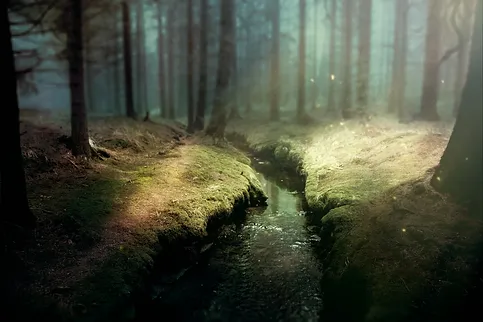
Tartan Noir often treats the ground as an unreliable witness. Peat bogs, lochs and forests preserve secrets while appearing to swallow them. A body discovered beside a burn is not simply part of the plot; the water becomes associated with concealment, repetition and the return of the past.
This makes landscape a psychological mirror. A detective crossing a bleak moor may be physically searching for clues, but the journey also exposes their emotional condition. Fog can represent uncertainty, a collapsing bridge can reflect damaged trust, and a house surrounded by empty fields can turn family conflict into something claustrophobic.
The setting also shapes the reader’s sense of truth. In a crowded city, a crime may be hidden among noise and movement. In a remote community, silence becomes more expressive. Every missing person is noticed, every unfamiliar vehicle attracts attention, and every local landmark may hold several versions of the same story.
Weather, Distance, And Moral Pressure
Weather in Tartan Noir is active rather than decorative. Wind makes travel difficult, rain blurs timelines and snow turns a familiar route into a dangerous boundary. The climate places pressure on decisions, forcing characters to remain together, delay help or confront conditions they would rather avoid.
Distance works in a similar way. A remote island, a long single-track road or a village cut off by storms can make ordinary moral compromises feel irreversible. When the nearest police station, hospital or ferry is hours away, characters lose the reassuring possibility that someone else will quickly intervene.
Pacing is especially important in these scenes. A carefully controlled mystery can make a road, shoreline or ruined building feel increasingly threatening, as discussed in this mystery pacing guide. Slow movement gives the landscape time to accumulate meaning, while sudden action breaks the spell and reveals what fear has been concealing.
From Scenic Detail To Inner Conflict
The strongest landscape writing selects details that interact with character psychology. A protagonist who avoids looking at the sea may be resisting grief. Someone who keeps repairing a boundary fence may be trying to impose order on a life that has become morally unstable. The physical task becomes a private ritual.
This technique prevents atmosphere from becoming ornamental. The landscape should change the story’s emotional temperature and influence what characters notice. A detective who sees only treacherous ground may be projecting their own distrust; another who notices signs of spring may still believe recovery is possible.
Relationships gain depth through this method as well. A romantic subplot can be intensified by a shared walk through hostile weather, a tense drive along a coastal road or an argument beside a river swollen with rain. Guidance on writing romantic subplots is useful here because attraction and distrust often develop through shared pressure rather than easy intimacy.
Regional Atmosphere And The Australian Reader
Australian readers may recognise the psychological power of landscape through local experiences. Melbourne’s laneways create secrecy through density and shadows, while the Blue Mountains can make a short distance feel unexpectedly remote. In Tasmania, old forests and sudden weather shifts lend themselves to stories about memory, disappearance and inherited violence.
The country’s bushfire seasons also offer a powerful example of environment shaping fear. Smoke can erase the horizon, change the colour of daylight and create uncertainty about escape routes. That sensory instability resembles the way Tartan Noir uses mist, darkness and winter storms to make perception unreliable.
Local publishing conditions matter too. Australian readers often encounter short fiction through digital magazines, literary journals, independent bookshops and festival programs rather than only through large commercial releases. For emerging writers, a sharply realised setting can help a crime story stand out in a crowded online market, especially when the emotional landscape feels as specific as the geographical one.
How Landscape Functions In Tartan Noir
A successful setting performs several jobs at once. It establishes atmosphere, limits movement, stores communal memory and reflects the character’s moral state. The best stories avoid explaining every symbolic connection; instead, they let recurring images gather force through action.
Landscape can also challenge a character’s assumptions. A seemingly safe village may conceal old loyalties, while an apparently hostile wilderness may offer the only honest space in the story. This tension keeps the setting alive. The land does not simply confirm what characters believe; it tests and sometimes contradicts them.
Signals That Make Place Feel Psychological
- Repeated natural images linked to guilt, grief or suspicion
- Weather that changes the choices available to characters
- Roads, rivers or buildings that control movement and access
- Local landmarks carrying conflicting memories
Details That Build A Noir Landscape
- Specific sounds, textures and smells rather than broad scenic description
- Signs of work, neglect or habitation in supposedly empty places
- Community customs that reveal who belongs and who remains an outsider
- Seasonal changes that alter evidence, visibility and risk
| Landscape Feature | Psychological Effect | Crime Fiction Use |
|---|---|---|
| Fog, smoke or heavy rain | Confusion and emotional uncertainty | Conceals movement, evidence or identity |
| Remote roads and islands | Isolation and moral pressure | Delays help and intensifies suspicion |
| Water, bogs and forests | Repressed memory and danger | Suggests concealment, disappearance or return |
| Villages and enclosed communities | Surveillance and inherited judgement | Turns gossip and local history into evidence |
When landscape functions as a psychological mirror, the setting becomes inseparable from character and plot. A storm is no longer just weather, and a lonely road is no longer just a route between scenes. Each element reflects what the characters fear, remember or refuse to admit, giving Tartan Noir its distinctive blend of place, menace and emotional depth.