
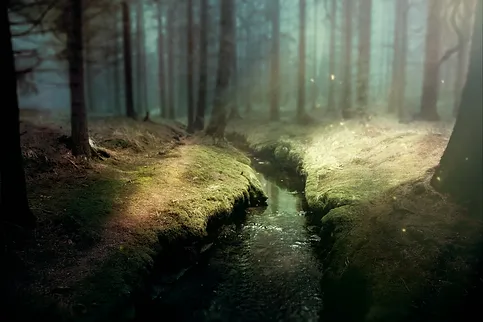



Why Tartan Noir often turns to cold, rainy settings
Tartan Noir is closely associated with Scotland’s darkly atmospheric crime fiction, but its weather is more than a scenic backdrop. Cold rain, low cloud, sodden streets, and winter darkness shape the emotional world of the story. They make familiar places feel remote, conceal movement, and give every outdoor encounter a physical cost.
The strongest examples use climate as part of the narrative machinery. A storm can delay help, fog can distort a witness’s memory, and relentless rain can turn an ordinary road into a dangerous stretch of isolation. The landscape seems to apply pressure to characters already burdened by guilt, grief, poverty, or old loyalties.
This connection also reflects the flexibility of short fiction. In a few pages, a writer can establish a whole moral climate through the sound of rain on a tenement window or the chill of a coastal wind. Readers understand the setting emotionally before they know every detail of its geography.
Weather as emotional architecture
Cold weather creates discomfort that readers can almost feel. Wet clothes cling to the body, hands become numb, and a character who has been walking for hours loses patience and concentration. These sensory details make suspense immediate. The danger is not abstract; it is happening inside a body that is tired, cold, and increasingly vulnerable.
Rain also supports the pessimistic mood associated with noir. It blurs edges, stains clothing, floods alleys, and makes clean escape unlikely. A character may leave a crime scene, but muddy footprints or rainwater carrying evidence can follow them. The weather becomes a quiet witness, even when human witnesses are unreliable.
Darkness has a similar function. Short winter days compress the hours available for work, travel, and investigation. Night arrives while people are still commuting home, leaving a large portion of the story in uncertain light. That uncertainty mirrors the ethical confusion at the heart of many noir narratives.
Landscape turns distance into danger
Scotland offers striking contrasts: crowded urban neighborhoods, exposed moorland, fishing villages, glens, islands, and long roads between settlements. In Tartan Noir, these spaces often carry social meaning. A city street may offer anonymity, while a remote community can make privacy impossible. Either setting can trap a character in a different way.
Rain and wind intensify the distance between places. A short journey over a bridge may become hazardous; a ferry may be cancelled; a mountain road may disappear beneath mist. These obstacles are useful because they prevent the plot from moving too easily. Characters cannot simply call for help or drive away whenever the pressure rises.
The result is a form of geographical suspense. Landscape determines who can reach whom, which secrets remain buried, and how long a person can survive alone. A remote setting is most effective when it changes the choices available to the characters rather than functioning as decorative scenery.
History lives beneath the surface
Tartan Noir frequently draws power from places shaped by industrial decline, migration, class division, sectarian tension, and inherited family conflict. Cold, rainy settings help bring that history into the present. An abandoned factory under a grey sky or a neglected housing scheme after a downpour can suggest decades of disappointment without lengthy explanation.
Weather also makes old structures feel unstable. A leaking roof, a flooded basement, or a crumbling sea wall reveals how institutions and communities have failed to protect people. Physical decay becomes a reflection of social neglect. The crime may be recent, but the conditions that allowed it to happen can be much older.
This is why the setting should feel inhabited rather than picturesque. Local speech, work patterns, transport routes, pubs, schools, and shops give the landscape a human history. Writers exploring unfamiliar Scottish locations can find practical guidance in these Scottish setting tips, especially when they want atmosphere without relying on stereotypes.
Rain changes the mechanics of crime
Weather can affect evidence, timing, and alibis. Heavy rain may wash away blood, footprints, or tire marks, yet it can also expose someone who arrives with wet shoes in a building where everyone else is dry. A sudden temperature drop may preserve evidence, while damp conditions can damage paper, electronics, or clothing.
The climate creates opportunities for misdirection. A witness may remember a hooded figure but not a face. A security camera may record only reflections and headlights. The sound of rain can cover a struggle, while the absence of rain at a particular time can challenge a suspect’s story.
These details reward careful plotting. The weather should influence what characters can know and do, not merely appear in every paragraph. A writer might begin with a weather pattern, then ask what it changes: who is late, which route is blocked, what evidence disappears, and who is willing to go outside.
Atmosphere across different Scottish settings
| Setting | Weather effect | Noir possibility |
|---|---|---|
| Glasgow tenement district | Rain amplifies noise, clutter, and crowded intimacy | A secret is overheard through thin walls |
| Highland road | Fog and sleet reduce visibility and slow travel | A stranded driver encounters an unreliable witness |
| Coastal village | Wind and salt expose decay and isolation | A disappearance is linked to tides and local silence |
| Island community | Storms interrupt ferries and communication | Everyone is trapped with a person they distrust |
| Suburban edge | Persistent drizzle makes ordinary spaces feel vacant | A routine commute becomes a carefully staged alibi |
The contrast between urban and rural environments gives the genre range. A wet city can feel claustrophobic because people are packed together, while a rain-lashed island can feel claustrophobic because escape is impossible. In both cases, the weather narrows the character’s world.
Good Tartan Noir avoids treating Scotland as permanently bleak. Bright days, dry pavements, and crowded summer events can be equally unsettling when they expose a character who expected darkness to protect them. Variation makes the colder scenes more powerful and prevents atmosphere from becoming predictable.
Writing the weather without overdoing it
Effective description chooses a few precise details instead of repeating broad statements about miserable weather. The metal taste of rainwater, a bus window fogged by breath, or grit caught in a trouser cuff can reveal more than several sentences about a storm. Specificity creates credibility.
Weather should also interact with personality. One character may welcome rain because it hides tears, while another sees it as a reminder of childhood deprivation. A police officer may notice visibility and road conditions; a fisherman may read the wind instinctively. The same landscape can carry different meanings for different people.
Writers can strengthen a draft by checking every atmospheric detail against the scene’s purpose. If rain delays an investigation, show the practical consequence. If fog represents uncertainty, allow someone to make a mistake because of it. Symbolism works best when it remains grounded in action.
Choices that strengthen a noir setting
A compelling cold-weather crime story usually makes the environment active, specific, and socially connected. These choices can help:
- Give the weather a practical effect on evidence, travel, communication, or timing.
- Use local geography to shape relationships and limit easy escape.
- Pair sensory details with a character’s personal history.
- Balance bleak conditions with moments of warmth, humor, or ordinary routine.
- Research regional language and customs so atmosphere never replaces authenticity.
Short stories especially benefit from economical world-building. One flooded underpass, a cancelled ferry, or a soaked coat left in the wrong hallway can suggest an entire community under pressure. The detail becomes memorable because it serves both mood and plot.
For writers ready to share that kind of work, the platform’s submission guidelines provide a route into a literary space that welcomes speculative, fantasy, and Tartan Noir fiction. A story does not need a vast cast or elaborate mythology to make an impact; it needs a distinctive voice and a setting that matters.
Tartan Noir’s cold, rainy environments endure because they express more than weather. They embody uncertainty, isolation, endurance, and the weight of the past. When a character walks into the rain, they are often moving into a place where evidence fades, old wounds surface, and every choice becomes harder to reverse.
Readers can explore the atmosphere through the platform’s free short fiction, while emerging authors can submit their own interpretations or enter the next writing contest. A carefully observed stretch of wet road may be all a story needs to open the door to something darker.