



Why Tartan Noir often centers on small-town secrets
Tartan Noir draws much of its power from communities where everyone appears to know everyone else, yet nobody possesses the whole truth. In a village, island settlement, or declining industrial town, a missing person can unsettle an entire social order. The crime matters, but so does the web of loyalties, resentments, family histories, and carefully maintained silences surrounding it.
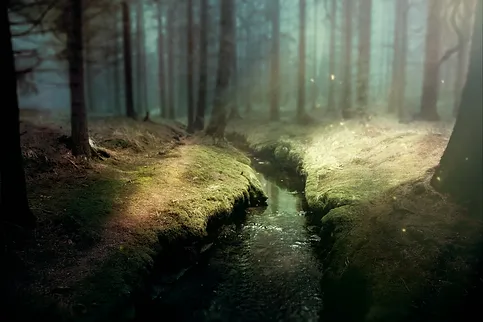
This tradition is associated with Scotland’s hard-edged landscapes and psychologically complex crime fiction, from rain-darkened streets to remote glens where isolation amplifies suspicion. Its small towns are rarely picturesque retreats. They are places shaped by old money, precarious work, inherited grudges, and the pressure to protect the community’s reputation.
For Australian readers, the setting can feel unexpectedly familiar. A coastal town in Tasmania, a mining settlement in regional Western Australia, or a farming district outside Ballarat may have its own version of the “bush telegraph”. People meet at the pub, the footy club, the bakery, or the local school gate, and private trouble can become public knowledge by the end of the arvo.
Closeness makes secrecy difficult
Small-town life creates constant proximity. Neighbours share fences, workplaces, relatives, and memories, so a character cannot easily disappear into anonymity. This closeness produces comfort and surveillance at the same time. A person may receive practical help after a crisis, while also finding that every past mistake has become part of the local record.
That social pressure gives Tartan Noir its distinctive tension. A detective investigating a death is rarely dealing with strangers. The victim may have been a former classmate, a cousin’s business partner, or the person who coached the local football team. Evidence is filtered through personal feeling, and witnesses may conceal facts because they fear damaging a family, a livelihood, or the town’s already fragile identity.
The result is a mystery built from omission rather than simple deception. A character does not need to invent an elaborate lie. Refusing to mention an affair, an old accident, or a disputed parcel of land may be enough to send an investigation in the wrong direction.
Landscape turns atmosphere into evidence
In this form of crime fiction, landscape is active. A peat bog, abandoned factory, storm-battered harbour, or empty moor can preserve traces of the past while making discovery difficult. Weather and terrain affect who can travel, what can be seen, and how long a body or object might remain hidden. The setting becomes part of the investigation.
Australian landscapes create comparable possibilities without copying Scottish scenery. The scrub around Hobart, the dry riverbeds near Bendigo, and the vast distances between settlements in Queensland can all create a sense of exposure and concealment. A road that looks familiar in daylight may become threatening after dark, particularly when mobile coverage drops away and the nearest police station is hours distant.
This geography also exposes class and economic divisions. A wealthy coastal development may sit beside a shuttered cannery, while a mining town can depend on a company whose influence reaches into local politics. Tartan Noir understands that crime is connected to work, housing, land, and power. The secret beneath a murder often concerns who was allowed to prosper and who was expected to stay quiet.
Old wounds give the crime a longer shadow
Small-town secrets rarely begin with the central crime. They often stretch back decades, gathering force through family feuds, institutional failures, and personal shame. A current investigation can reopen a child’s disappearance, a suspicious death ruled accidental, or a scandal that respectable people agreed to forget.
This long memory creates the moral complexity associated with the genre. Characters may be victims, accomplices, and protectors at different moments. Someone who hides evidence could be obstructing justice, shielding a vulnerable person, or trying to prevent a destructive truth from reaching the wrong hands. Stories of redemption in noir often gain their force from this uncertainty, since moral repair rarely arrives through a clean confession.
The emotional stakes are especially strong when the investigator belongs to the place being examined. A local detective may recognise every family name, while an outsider may notice patterns that residents have normalised. Either perspective carries a cost. Belonging can produce empathy and bias; distance can produce clarity without understanding.
The hidden object can organise a community
Many Tartan Noir plots revolve around a concealed object, document, recording, or piece of evidence that several people want to control. This device works because the object carries different meanings for different characters. A land deed may represent inheritance to one person, corruption to another, and the destruction of a community to someone else.
A well-used noir plot device does more than motivate a chase. It reveals the town’s hierarchy by showing who has access, who is excluded, and who believes ownership can erase harm. The search for the object becomes a route through local history, connecting seemingly unrelated characters.
For Australian settings, the object might be a mining survey, a missing council file, an old cassette from a regional radio station, or a photograph taken at a surf club fundraiser. Such details make a mystery feel grounded in ordinary institutions. They also reflect the way local records, gossip, and unofficial knowledge can carry more weight than an official statement.
Readers want the town to feel real
Small-town noir succeeds when its community feels larger than the plot. Readers should sense the butcher who knows too much, the publican who changes the subject, the councillor who speaks in polished phrases, and the teenager who sees the town more clearly than its elders. These minor figures give the central mystery social depth.
That texture matters in online fiction, where a short story must establish place quickly and leave a lasting impression. Australian readers may respond to recognisable speech and habits: someone saying “no worries” while withholding crucial information, a local meeting held in a draughty RSL hall, or a rumour moving through a Facebook community group before police release a statement. Careful detail makes the darkness credible rather than theatrical.
The most effective stories also respect reader participation. Suspense grows when clues invite interpretation without becoming obscure, and when each revelation changes the meaning of an earlier scene. Thoughtful reader engagement matters because a mystery depends on the audience weighing evidence, judging motives, and deciding whether justice is possible.
Small-town secrets endure as a Tartan Noir subject because they turn crime into a test of collective memory. The final revelation may identify a culprit, yet it rarely restores the old order. Once the truth has surfaced, neighbours must decide what they knew, what they ignored, and whether the community they protected was worth preserving.