
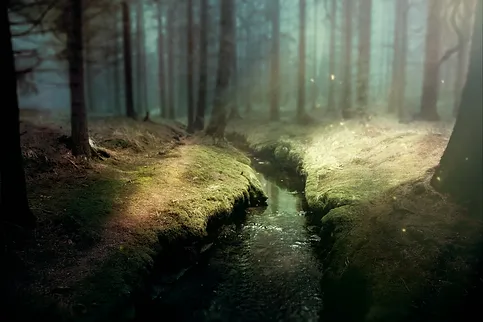



How Flash Fiction Contests Sharpen Your Writing Skills
Flash fiction contests offer writers a focused way to practise craft, test ideas, and complete work under real creative pressure. With strict word limits and a firm submission date, they turn vague ambitions into finished stories.
The form is brief, yet it demands precision. Every image, line of dialogue, character choice, and ending must earn its place. That compression makes flash fiction an excellent training ground for writers at any stage, whether they are developing their first stories or refining an established voice.
Competitions add a useful sense of purpose. A contest entry has a destination, an audience, and often a theme that encourages writers to move beyond familiar subjects. The possibility of publication or recognition can provide extra momentum without replacing the deeper reward of becoming a more controlled and inventive storyteller.
A Small Canvas Encourages Precise Choices
A short story cannot carry unnecessary explanation for long. Flash fiction exposes slow openings, repetitive description, and unfocused scenes because there is little space to hide them. Writers quickly learn to begin close to a meaningful moment and establish tension through carefully selected details.
This discipline improves economy of language. Instead of describing a character’s entire history, a writer may reveal the past through one object, gesture, or interruption. The result is prose that feels active and suggestive, inviting readers to participate in the story rather than delivering every answer.
Word limits also teach revision. A first draft may contain several possible directions, but editing forces the writer to identify the central emotional movement. Cutting a favourite sentence can strengthen the story when that sentence distracts from its most important change.
Deadlines Turn Ideas Into Finished Stories
Many writers collect premises without completing them. A contest deadline creates a manageable commitment: choose one idea, draft it, revise it, and submit it by a specific date. This cycle builds confidence because progress becomes visible and repeatable.
A theme can provide useful boundaries rather than restricting imagination. A prompt about fog, memory, or transformation may lead to a conventional interpretation, but it can also inspire a striking setting or unexpected point of view. Reading a published example such as Into the Mist can show how a compact premise develops atmosphere and narrative tension.
Regular deadlines also make creative practice less dependent on inspiration. Writers learn to work through uncertainty, solve structural problems, and return to a draft after the initial excitement fades. Those habits transfer directly to longer short stories, novellas, and novels.
Feedback Makes Craft Visible
Entering a contest gives a story a clear purpose and often places it before editors, judges, or a wider reading community. Even when a piece is not shortlisted, the act of submitting can reveal how the writer responds to external evaluation. That emotional resilience matters in every form of publishing.
Contest results can also identify patterns in a writer’s work. A story may have a strong premise but a rushed ending, vivid atmosphere but limited character development, or polished sentences without enough conflict. Recognising these patterns helps writers choose specific skills to practise instead of making general claims about being “better.”
Reading other entries is equally valuable. Comparing different responses to one theme shows how voice, structure, genre, and point of view shape a reader’s experience. The process develops editorial awareness: writers begin to notice why one opening creates immediate curiosity while another takes too long to arrive.
Different Genres Expand Your Range
A contest prompt can encourage experimentation beyond a writer’s usual category. Someone who normally writes realistic drama might try speculative fiction, fantasy, or Tartan Noir. Because flash fiction requires a contained plot, the experiment remains achievable rather than becoming an intimidating long-form project.
Genre practice strengthens transferable techniques. Speculative stories often require efficient world-building, fantasy depends on evocative detail and coherent rules, while noir rewards tension, moral ambiguity, and sharp observation. Moving between these modes gives writers a broader set of tools for mood and conflict.
Online literary magazines provide useful examples of how different genres can share a publication space. Exploring a digital magazine can help writers study pacing, tone, and structure across several short works, while reminding them that a distinctive voice can thrive within any category.
| Skill developed | How a contest exercises it | Benefit beyond flash fiction |
|---|---|---|
| Economy | Requires meaningful words within a fixed limit | Cleaner prose and stronger editing |
| Structure | Compresses setup, conflict, and change | More purposeful scenes |
| Characterisation | Uses small details to imply depth | More vivid characters in longer work |
| Endings | Demands a satisfying final turn or image | Greater control over narrative impact |
| Discipline | Sets a deadline for drafting and revision | A reliable writing routine |
Practices That Make Entries Stronger
The best results usually come from treating a contest as a complete creative process rather than a race to produce a first draft. Read the prompt closely, identify its emotional possibilities, and decide what the story is truly about before adding decorative details.
A practical routine can keep the work focused:
- Write a one-sentence premise before drafting.
- Choose one central character, decision, or change.
- Reserve time for at least two revision passes.
- Read the story aloud to catch weak rhythm and repetition.
- Check the word count and submission rules before sending it.
Writers can also use a contest to explore difficult subjects with greater care. When a theme involves social or environmental issues, the story should remain driven by character and conflict rather than becoming a lecture. Guidance on climate fiction offers useful perspective on balancing a meaningful subject with engaging narrative.
Turn Competition Into Long-Term Progress
A single contest may produce one polished story, but repeated participation can create a portfolio of experiments. Over time, writers gather evidence about their strengths, discover recurring weaknesses, and develop a clearer sense of the subjects and forms they want to pursue.
Shortlisted work and publication opportunities can also build literary confidence. Seeing a story placed alongside other writers’ work demonstrates that a concise piece can have genuine presence. Recognition is valuable, but the lasting achievement is the accumulation of finished, revised stories.
Choose a prompt, set aside a realistic writing period, and let the deadline give your idea shape. Submit your flash fiction to an upcoming themed contest through Inspiring Fiction, and use the experience to make the next story sharper, braver, and more distinctly your own.