


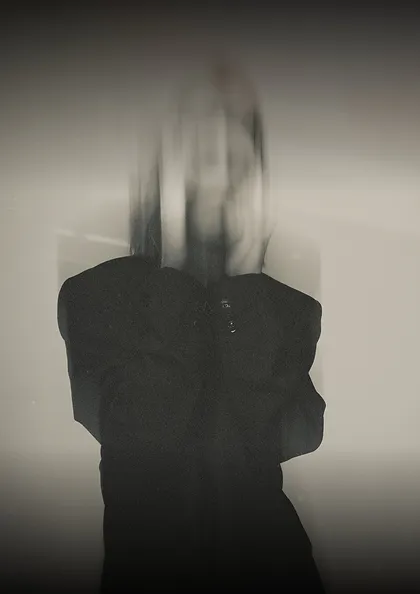

When quiet becomes frightening
Silence in horror is often treated as a lack: no dialogue, no music, no noise. Yet it is far more active. It can expose a hidden presence, make an ordinary room feel watched, or suggest that something in the world has stopped functioning as expected. When writers use silence as a tool, the reader begins listening for what has been withheld.
That withheld element matters in speculative fiction, where a machine may go quiet, a spell may fail, or a familiar landscape may suddenly follow unfamiliar rules. The absence of sound can carry more menace than a growl or a jump scare. It places pressure on interpretation and makes small acoustic details feel strange.
Using silence as a tool for horror in speculative fiction is therefore a question of design. Writers must decide which sounds establish normality, which pause disrupts it, and how long the reader must carry that disruption before release.
The fear inside a pause
Silence can conceal an approaching threat, isolate a character, or make a reality that should be noisy seem subtly wrong. A power cut in a crowded flat becomes frightening because the refrigerator’s hum and distant traffic should still be there. Their absence makes the room itself seem to hold its breath.
In parallel world techniques, a familiar sound may survive even when everything visible has changed. That mismatch can be deeply unsettling: the kettle clicks off, a screen flickers, or a child’s laugh comes from the wrong direction. Silence need not announce danger; it can make danger harder to locate.
Listen to the room before the monster enters. A writer should establish the acoustic baseline first. Only then can the missing sound register as evidence. A halted clock, a mute phone or a vanished birdcall can make the ordinary monstrous by subtraction.
Building acoustic space
The first task is to hear what exists before removing anything. A kitchen at night contains the fridge, pipes, road traffic, insects and the scrape of cutlery. A rural house adds wind, timber, distant animals and branches against glass. Listing sounds is not enough, but naming them establishes a world whose silence can be broken.
Prose can then create gaps through sentence length, dialogue and paragraph spacing. Short lines slow the eye and imitate attention narrowing, while an extended sentence may rush past a detail the reader should have caught. A paragraph break can imitate the instant a character stops listening to argue with themselves. The white space on the page becomes part of the sound design.
Sound should still return, or its absence loses force. A door slam, a swallowed sob or the sudden buzz of a phone may release tension, but it can also introduce a new threat. In a Melbourne laneway, the rattle of a tram and the compressor from a café door can establish ordinary activity. If those sounds cut out while a figure waits beneath the arches, the silence inherits every urban noise it replaced.
Speech withheld, secrets exposed
Not all silence is acoustic. A character may choose not to speak because they are frightened, complicit, ashamed or protecting someone else. In speculative fiction, that restraint can reveal power structures as clearly as any confession. What goes unsaid becomes subtext, and the horror lies in what the community treats as normal and who is expected to keep quiet.
Stories involving institutional wrongdoing can sharpen this tension. The Tartan Noir justice themes offer routes into secrecy, complicity and the cost of speaking out. A witness who cannot get a sentence out, or a room in which everyone hears the same warning but no one answers, turns silence into evidence of failure rather than mere absence.
This also supports unreliable narration. The narrator may report “there was no sound” while omitting a scream, a command or their own breathing. The reader must decide whether the gap reflects impaired hearing, denial or deliberate revision. Such ambiguity works best when the prose gives one honest detail and withholds another, allowing doubt to grow without becoming vague.
Australian quiet carries its own meanings
Quiet is not culturally neutral. For many Aboriginal communities, Country is not mute emptiness but a field of law, story, song, kinship and obligation. Horror set on colonised land should avoid treating that richness as silence, and should not appropriate sacred speech. A more revealing use of quiet may instead expose a non-Indigenous character’s assumption that the landscape has nothing to say.
Australian settings also make the familiar strange through their own sounds. The dry hush beyond Canberra can make a missing birdcall alarming. Sydney ferries often vanish into coastal fog, disturbing the expected rhythm of horns and engines. At a suburban sausage sizzle, conversation and clattering trays can form a social wall; one person falling silent becomes conspicuous because everybody else is performing together.
The local genre market adds another layer. Australian speculative fiction moves through small presses, magazine launches, conventions, bookshop events and online communities. Platforms such as Inspiring Fiction extend that pattern through two free-to-read magazines and themed writing contests, giving short forms a place where quiet effects can be tested before publication. In these compressed stories, a single acoustic disruption can occupy the reader’s imagination long after the final paragraph.
Writing what readers should hear
Start with function rather than atmosphere. Decide whether silence conceals a body, a fact, a supernatural intrusion or the collapse of ordinary physics. Then choose a sound that should be present and make its absence matter. This approach keeps quiet from becoming decoration; each pause changes what the character or reader understands.
Read the scene aloud, then read it again with the explanatory passages removed. If a paragraph exists only to explain why the silence matters, it may blunt the effect. Compress the explanation and place more weight on physical detail: a hand gripping a table, condensation on a window, a voice that starts but never forms a word. The reader can infer the danger from the changed behaviour.
The final silence should also have a shape. It may be sudden and absolute, as after a signal dies; gradual, as when one household noise after another ceases; or conversational, when a person answers with nothing. In each case, the strongest horror comes not from what is explicitly said but from the knowledge that the story has made us notice what is missing.