
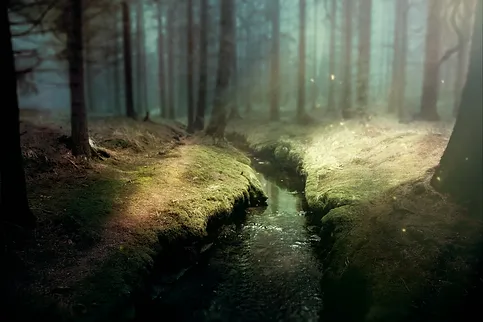



The Role of Fog and Rain in Establishing Noir Atmosphere
Fog and rain do more than make a scene look gloomy. In noir fiction, weather alters what characters can see, hear, remember, and trust. A wet street can conceal a meeting, distort a familiar landmark, or turn an ordinary journey into a test of nerve.
The strongest atmospheric writing treats weather as active pressure. Rain can isolate a character inside a car, flatten a city into reflections, or drown out a warning. Fog can reduce the world to a few uncertain metres, making every silhouette appear threatening and every decision feel incomplete.
For Australian writers and readers, this mood need not depend on an imagined European alleyway. Melbourne’s laneways after a winter downpour, Sydney’s harbour mist, and a storm rolling across a Queensland suburb can all support noir tension. The setting becomes convincing when the weather belongs to the place.
Short fiction benefits especially from this approach. A few carefully chosen sensory details can establish menace faster than a page of explanation, giving a story the compressed force expected in literary magazines and themed competitions.
Weather As Moral Pressure
Noir often follows characters making compromised choices, and bad weather can make those choices feel unavoidable. A driver who cannot see beyond the windscreen may miss a pedestrian, a road sign, or the person waiting beside the kerb. The weather does not excuse the action, but it creates a narrow field in which the character must act.
Rain also reflects emotional and ethical contamination. Water carries oil into gutters, turns dust to mud, and leaves fingerprints blurred on glass. These physical changes can echo guilt, corruption, or a detective’s fading certainty. The imagery works best when it is connected to an event rather than added as a decorative layer.
A religious or supernatural noir story can use the same method. Questions of belief, guilt, and judgement gain force when the landscape seems to participate in them; faith in fantasy can shape atmosphere as powerfully as architecture or dialogue.
Place, Distance, and Visibility
Fog changes geography. A street that normally takes five minutes to cross becomes a corridor with no visible end. A familiar building loses its identity, while a distant light seems unnervingly close. This manipulation of scale is useful in mystery fiction because it makes practical movement feel psychologically dangerous.
Rain creates a different spatial effect. It divides the world into interiors and exteriors: the person under an awning, the watcher in a parked car, and the figure exposed on the pavement. In Melbourne, a laneway slick with rain can feel intimate and claustrophobic, while a wet stretch of Sydney road can emphasise traffic, glare, and the indifference of the crowd.
Local detail should remain precise without becoming travel writing. Mention the metallic smell near tram tracks, the hiss of tyres on bitumen, or the sudden drain overflow after a summer storm. Such observations anchor an otherwise stylised noir setting in recognisable Australian life.
Rain As Sound And Texture
Rain gives a scene a soundtrack. Light drizzle can sharpen footsteps and make a character listen too closely. Heavy rain can conceal a struggle, interrupt a phone call, or force two strangers into the same sheltered space. Its rhythm can regulate the pace of a scene, moving from a steady background pulse to an overwhelming roar.
Texture matters as much as sound. Wet wool, cold vinyl, fogged glass, damp paperwork, and grit under a shoe offer tactile evidence that the weather has entered the character’s body and belongings. These details are particularly effective in first-person narration, where discomfort can expose feelings the narrator refuses to name.
Avoid describing every surface as “glistening”. A noir image becomes stronger when it is specific: rainwater carrying cigarette ash along a gutter, or a detective wiping a sleeve across a windscreen only to reveal another distorted reflection. The aim is sensory pressure, not ornamental shine.
Fog, Memory, and Uncertainty
Fog naturally suits stories about unreliable knowledge. It can hide a face, erase a route, or make two locations seem dangerously near each other. When a witness says they saw someone in the mist, the reader understands that perception itself may be evidence of very poor quality.
The weather can also trigger memory. A character may associate fog with an old disappearance, a wet wool coat with a failed confession, or thunder with a night spent waiting for news. These associations should emerge through action and sensation rather than explanation. A hand hesitating over a door handle may reveal more than a paragraph about trauma.
In Tartan Noir, where landscape and moral history often press against one another, weather can carry communal memory. A cold road through the highlands, a wet industrial estate, or a lonely coastal settlement may suggest that the past has not left; it has simply become harder to see.
Building Scenes With Wet Weather
Weather is most effective when it creates a practical problem. A character needs shelter, loses a signal, cannot identify a vehicle, or arrives with evidence damaged by water. Each obstacle should force a decision that reveals character.
For Australian settings, consider how local conditions alter behaviour. People check radar before driving, complain about sudden heat after rain, and use casual phrases such as “good onya” or “mate” even when a conversation is tense. Familiar speech can make a threatening exchange feel more authentic because the danger is embedded in ordinary social habits.
Atmospheric Details Worth Choosing
-
Fog that shortens sightlines and changes the apparent distance between people
-
Rain that interferes with evidence, electronics, clothing, or transport
-
Reflections that offer a second, unreliable version of the scene
-
Thunder that interrupts dialogue at the exact moment of disclosure
-
Puddles that expose footprints, tyre marks, or discarded objects
-
Wind-driven rain that turns a public place into a temporary refuge
Beyond Decoration
A useful test is to remove the weather from a scene. If nothing changes except the visual mood, the description is probably ornamental. If removing it destroys the character’s plan, evidence, timing, or emotional control, the weather is doing narrative work.
Weather can also shape publication-ready short fiction by giving a story a strong opening image and a coherent closing resonance. A story might begin with a body glimpsed through fog and end with the same fog lifting, revealing an innocent explanation—or a worse one. Repetition becomes meaningful when the weather changes the reader’s understanding.
Even a whimsical or surreal story can use noir weather without becoming relentlessly bleak. Bells Around the Neck demonstrates how an unusual central image can carry atmosphere and implication. The lesson is to let one distinctive detail organise the scene rather than crowding it with generic darkness.
Choosing The Right Weather
Fog and rain create different kinds of suspense. Fog withholds information and unsettles orientation; rain interferes with movement, sound, and physical evidence. Combining them can be powerful, but using both without a distinct function may make the setting muddy rather than mysterious.
Australian climates offer useful contrasts. A tropical downpour in Brisbane produces a different noir rhythm from cold drizzle in Hobart, while a dusty road receiving its first rain can release an earthy smell and expose tracks that were invisible minutes earlier. The local market for short fiction rewards a clear voice and a memorable setting, so climate should support the story’s identity rather than imitate imported conventions.
| Weather element | Primary noir effect | Useful story pressure | Australian setting possibility |
|---|---|---|---|
| Fog | Concealment and doubt | Misidentified person or route | Hobart waterfront or mountain road |
| Fine rain | Isolation and unease | Waiting, surveillance, failed contact | Melbourne laneway or suburban train platform |
| Heavy rain | Noise and disruption | Lost evidence or blocked escape | Brisbane storm or Sydney arterial road |
| Storm wind | Instability and threat | Power loss, damaged property, forced refuge | Coastal town or exposed rural highway |
| First rain after dryness | Revelation and change | Tracks, smells, buried objects | Outback settlement or inland town |
The best atmospheric choices leave a trace after the scene has passed. Readers may remember the wet pavement, the muffled voice, or the blurred light, but they should also remember what the weather forced someone to do. Platforms such as Inspiring Fiction platform give short-story writers space to make those concentrated choices matter, bringing speculative, fantasy, and Tartan Noir work to readers who value atmosphere with purpose.