


The Rise of Scottish Speculative Fiction
Scottish speculative fiction is gaining a sharper presence in contemporary literature, drawing on the country’s myths, landscapes, political history, and distinctive sense of place. From eerie islands and haunted tenements to climate futures and alternative histories, Scottish writers are using imagined worlds to examine familiar realities.
The movement sits at the meeting point of several traditions. Gothic fiction, folklore, science fiction, fantasy, and Tartan Noir all contribute to a literary culture that is comfortable with darkness, ambiguity, and transformation. The result is short fiction that can feel ancient in its imagery while remaining urgent in its concerns.
Digital publishing has helped this work reach readers beyond Scotland’s established literary centres. Online magazines, writing competitions, and accessible short-story platforms give emerging authors a route into print and allow readers to discover voices that might otherwise remain on the margins.
A landscape shaped by myth and memory
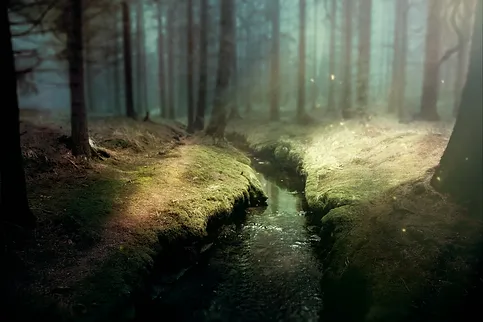
Scotland offers a powerful imaginative geography. Its mountains, lochs, islands, forests, abandoned industrial sites, and crowded urban streets provide natural settings for stories about isolation, survival, and the unknown. A remote landscape can become a threshold between worlds, while a familiar city can conceal supernatural forces beneath its everyday routines.
Traditional stories continue to influence this new fiction without confining it. Selkies, faeries, witches, ghosts, and prophetic figures may appear in contemporary forms, reimagined through concerns about migration, gender, ecological damage, or social inequality. Writers are often less interested in reproducing folklore than in asking why certain stories endure and who has been excluded from them.
This connection between place and imagination is central to the editor’s welcome, which reflects the value of giving distinctive literary voices room to develop. Speculative writing thrives when authors can draw deeply from local experience while reaching toward universal questions.
From gothic unease to future worlds
The Scottish Gothic has long provided a foundation for speculative storytelling. Robert Louis Stevenson, James Hogg, and later writers established a tradition of divided identities, moral uncertainty, uncanny encounters, and unreliable reality. Contemporary authors inherit these techniques but apply them to modern anxieties, including surveillance, technological dependence, environmental collapse, and fractured communities.
Science fiction from Scotland often carries a strong awareness of systems: who controls resources, how power shapes communities, and what happens when institutions fail. Fantasy can address similar questions through invented kingdoms, magical inheritance, or altered histories. In both forms, the impossible becomes a way to make ordinary political and emotional truths visible.
Tartan Noir adds another layer. Its crime stories frequently explore corruption, class, violence, and compromised institutions, while speculative fiction can intensify those concerns by introducing uncanny crimes, future cities, or supernatural motives. The genres overlap in their interest in moral grey areas and in characters forced to navigate damaged societies.
Short fiction finds a wider audience
The short story is particularly well suited to speculative ideas. A few pages can establish an unfamiliar world, reveal a startling transformation, or suggest a history far larger than the narrative itself. Compression also creates intensity, allowing a writer to leave meaningful gaps for the reader to interpret.
Online publication has made this form more visible. Free-to-read magazines remove financial barriers and encourage readers to experiment with unfamiliar authors and genres. For writers, a digital platform can provide editorial attention, publication credits, and a community of fellow storytellers without requiring a traditional book deal.
| Story tradition | Common strengths | Contemporary possibilities |
|---|---|---|
| Scottish Gothic | Psychological tension, doubles, haunted settings | Identity, trauma, technology, social control |
| Folkloric fantasy | Myth, transformation, oral storytelling | Reclaimed heritage, ecological themes, cultural memory |
| Science fiction | Systems, invention, alternative futures | Climate change, automation, inequality, migration |
| Tartan Noir | Crime, moral ambiguity, institutional failure | Uncanny investigations and speculative urban worlds |
The appeal of this ecosystem is reflected in stories such as Double or Quits, where the title itself evokes risk, consequence, and the charged decisions that often drive genre fiction. Short stories can be strange, direct, and emotionally resonant without explaining every element of their world.
New voices and changing perspectives
The current wave of Scottish speculative writing is broader than older assumptions about national literature. Writers from different communities are expanding the idea of what Scottish identity can mean, bringing varied experiences of language, race, class, gender, disability, faith, and belonging into imagined settings.
This diversity also changes the subjects that speculative stories can explore. A supernatural tale may examine housing insecurity; a climate-fiction narrative may centre island communities; a fantasy story may challenge inherited ideas about borders and nationhood. The genre’s flexibility makes it possible to combine personal experience with large-scale questions.
Language remains an important part of that development. Scots, Gaelic, regional speech, and hybrid forms can give speculative fiction a particular rhythm and texture. Even when a story is written primarily in English, local vocabulary and syntax may remind readers that imagined futures do not have to sound culturally generic.
Where writers can experiment
A healthy literary culture needs places where writers can take risks. Competitions encourage experimentation because they give authors a defined prompt, a deadline, and the possibility of recognition. They also create a snapshot of current interests, showing which themes, styles, and narrative forms are emerging.
For readers, competitions offer a route into discovery. A shortlisted story can introduce a new author, a fresh interpretation of folklore, or a genre blend that does not fit neatly on a bookstore shelf. Publication in an online magazine gives that work a public life and helps build confidence for future projects.
Writers considering a themed submission can explore the Tangled Web contest, an opportunity suited to stories involving connection, complication, secrecy, or unexpected consequences. Such prompts can help authors move beyond familiar ideas and find a sharper structure for unusual material.
Practical ways to strengthen a speculative story
- Anchor extraordinary events in a recognisable Scottish place or social reality.
- Use folklore as a living source of conflict rather than decorative background.
- Give invented technologies, creatures, or institutions clear emotional consequences.
- Let regional language shape character and atmosphere without overexplaining it.
- End with a meaningful shift in understanding, even if some mysteries remain unresolved.
A literature looking ahead
The future of Scottish speculative fiction is likely to be shaped by both global pressures and local detail. Climate change, artificial intelligence, public health, political uncertainty, and changing ideas of home will continue to generate material for writers. Scotland’s islands, cities, rural communities, and industrial histories offer specific perspectives on those worldwide concerns.
The strongest stories will probably resist easy categories. A single piece may combine folk horror with climate fiction, crime with time travel, or family drama with cosmic fantasy. This cross-pollination keeps the field lively and gives authors permission to build forms that reflect the complexity of contemporary life.
What makes the movement distinctive is not simply its setting. It is the way writers use place, memory, and inherited stories to question the future. By supporting accessible magazines and ambitious new work, readers help ensure that Scotland’s speculative voices continue to develop, surprise, and travel widely. Read a story, follow an emerging author, or submit your own imaginative work to the next opportunity.