


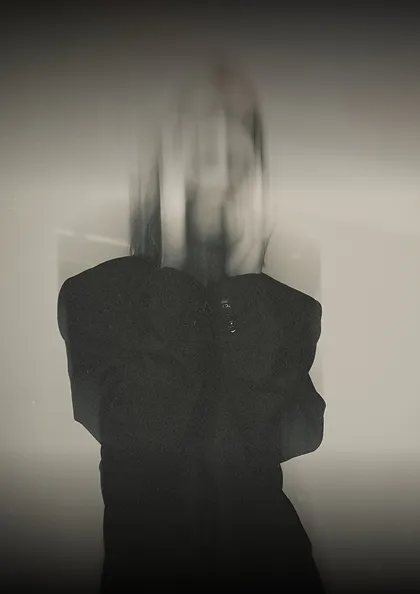

The Psychology of Fear in Horror Fantasy
Fear is one of fiction’s most intimate forces. It begins as a bodily reaction—tightened muscles, quickened breath, heightened attention—but becomes far more powerful when the mind gives it meaning. A dark corridor is frightening because the imagination fills it with possibility.
Horror fantasy makes that process especially rich. It combines recognisable human anxieties with impossible worlds, supernatural beings, ancient curses, and realities that refuse to obey ordinary rules. The result is fear that feels both personal and vast: a shadow may represent grief, while the monster behind it may threaten an entire kingdom.
For readers, this blend offers a controlled encounter with danger. For writers, it creates an opportunity to explore dread, vulnerability, obsession, and survival through vivid speculative settings. Understanding how fear works can make every haunted forest, enchanted house, and cursed bloodline more compelling.
Fear Begins With Uncertainty
The mind dislikes incomplete information. When a story leaves a threat partly hidden, readers instinctively attempt to complete the picture. A creature glimpsed between trees can feel more disturbing than one described in perfect detail because the imagination supplies a private version of the monster.
Uncertainty also creates anticipation. The reader knows that something may happen but cannot predict when or how. This gap between expectation and event stretches attention, making minor details significant: a door left open, a missing portrait, or a character who suddenly stops speaking.
In horror fantasy, uncertainty can operate at several levels. The reader may wonder what is stalking the characters, whether magic has a cost, or whether the laws of reality have already changed. Each unanswered question deepens the atmosphere of dread.
Why Fantasy Makes Fear Larger
Fantasy expands fear beyond ordinary physical danger. A ghost may threaten one person, while a magical plague can alter history, identity, or the natural order. The scale becomes enormous, yet the emotional centre often remains intensely human.
This contrast is crucial. A world-ending prophecy matters because it affects a particular child, family, village, or friendship. The more extraordinary the setting, the more important it becomes to anchor terror in recognisable emotions such as shame, loneliness, guilt, or the fear of losing control.
The Issue 4 magazine reflects the appeal of imaginative short fiction that can move quickly from an unusual premise to an emotionally charged encounter. In a short story, fantasy elements do not need extensive explanation to feel threatening; a single impossible image can suggest an entire mythology.
The Mechanics Of Dread
Different fear responses create different reading experiences. A story driven by suspense encourages readers to anticipate danger, while a story driven by shock interrupts their expectations. Psychological horror may produce discomfort long after the immediate threat has disappeared.
| Fear Response | How It Works | Useful Horror Fantasy Element |
|---|---|---|
| Suspense | Delays an expected danger | A ritual that is slowly nearing completion |
| Shock | Breaks a reader’s expectations | A sudden transformation or revelation |
| Dread | Suggests that danger is unavoidable | A prophecy, curse, or inherited fate |
| Unease | Makes ordinary reality feel wrong | A familiar home with altered rules |
| Terror | Overwhelms the character’s ability to respond | An encounter with an incomprehensible entity |
Strong stories often combine these responses rather than relying on one throughout. Suspense can build toward shock, while dread can continue after the frightening event has passed. The most lasting effect frequently comes from unease: the sense that the world is no longer trustworthy.
Pacing determines how these forms of fear interact. Rapid scenes may reproduce panic, but quiet passages allow the reader to examine disturbing implications. A character washing blood from their hands can be more haunting than a lengthy battle if the scene leaves open the question of whose blood it is.
The Body Beneath The Supernatural
Fear becomes convincing when it appears physically. Characters may experience dry mouths, trembling hands, tunnel vision, nausea, or a strange inability to move. These reactions remind readers that terror is not an abstract idea; it is something that takes over the body.
Physical responses also reveal character. One person may freeze, another may become aggressive, and a third may focus on an irrelevant practical task. These choices create individuality while showing how each character understands danger.
The supernatural threat should therefore interact with ordinary human instincts. A vampire can be frightening because it hunts, but its emotional power may come from the victim’s awareness that trust has been weaponised. A haunted house becomes more disturbing when the protagonist must decide whether to enter it to save someone they love.
When Fear Touches Identity
Some of the deepest horror comes from threats that challenge a character’s sense of self. Possession, transformation, memory loss, and magical doubles all raise the same question: what remains when identity can be changed or stolen?
This kind of fear is especially effective in fantasy because magic can make metaphor literal. A character who feels consumed by grief might become a vessel for a hungry spirit. Someone ashamed of their family history may discover that their blood carries a curse. The external danger gives shape to an internal conflict.
Flash fiction can intensify this effect by focusing on one decisive moment. The discussion of the value of flash fiction shows why brevity can suit fear: a compressed narrative leaves little distance between the unsettling image and the reader’s response. What is omitted may become as disturbing as what appears on the page.
Building Fear That Lingers
Writers who want to create memorable horror fantasy should consider the emotional source of the threat before designing its appearance. A frightening creature is more powerful when it embodies a specific loss, desire, or moral danger.
- Give the threat a clear emotional connection to the protagonist.
- Use sensory details that make the impossible feel physically present.
- Vary silence, suspense, revelation, and sudden violence.
- Allow characters to make understandable choices with frightening consequences.
- Leave some questions open when explanation would weaken the mystery.
Restraint is often more effective than constant escalation. If every page contains a terrifying event, readers can become accustomed to the intensity. Moments of safety, tenderness, or humour provide contrast and make the return of danger sharper.
A satisfying horror fantasy story does not need to explain every mystery or defeat every monster. It needs to make fear meaningful. The reader should finish with the sense that the characters have encountered something dangerous, but also that the encounter has revealed a difficult truth about desire, mortality, power, or belonging.
Enter The Unfamiliar
The psychology of fear in horror fantasy reaches its greatest force when the supernatural and emotional plots become inseparable. The haunted landscape reflects a wounded mind; the curse exposes a family secret; the monster forces a character to choose who they are.
For readers, short fiction offers a concentrated form of that experience. For writers, it provides space to test unsettling ideas and transform private anxieties into imaginative worlds. Explore the stories published by Inspiring Fiction, then bring your own vision of the strange and frightening to its pages through a future submission or themed writing contest.