
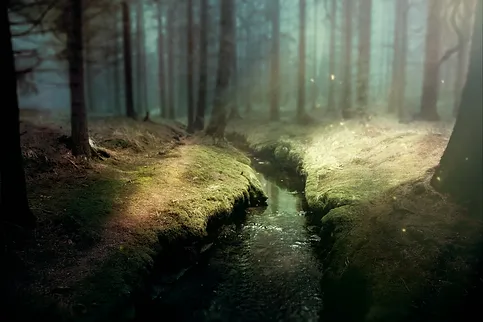



The Power of Weather in Setting the Mood for a Speculative Story
Weather is one of the most immediate ways a speculative story can make its world feel alive. A sudden temperature drop, a sky stained orange by smoke, or rain that falls upwards can alter a character’s choices before the reader understands why. Atmosphere becomes an active force, shaping fear, desire, memory and the rhythm of the plot.
For writers, the weather forecast is more than background detail. Climate, storms and seasonal change can reveal social divisions, establish an unfamiliar world and signal that reality is beginning to fracture. Used with precision, weather gives a short story emotional pressure without requiring long explanations.
Weather As An Emotional Instrument
A setting’s mood often begins with sensory experience. Heat can make a character impatient and unfocused, while persistent drizzle may encourage withdrawal. Wind can create nervous movement in an otherwise still scene, and dense fog can make a familiar street seem hostile. The important question is not simply what the weather looks like, but what it does to the people living through it.
A speculative writer can use this emotional response to create tension before the central mystery appears. In Melbourne, a cold morning followed by bright afternoon sun may feel ordinary, yet the rapid shift can mirror a character whose memories are changing. In a fantasy city, the same unstable weather might be evidence of a quarrel between ancient powers.
Building A World Through Climate
Climate helps readers understand how a society functions. A settlement exposed to cyclones may build homes on stilts, preserve food differently and treat warnings from authorities as part of everyday life. A desert community may organise its work around cool hours, water access and shade. These details make an invented culture convincing because they connect grand ideas to practical habits.
Australian landscapes offer varied starting points. Darwin’s wet season, Perth’s dry heat and Hobart’s colder maritime weather each create distinct social rhythms. A speculative story might transform these realities into a world where monsoon rain carries messages, or where a warming city must negotiate with an intelligent ocean. The imagined element becomes stronger when it grows from recognisable environmental conditions.
Storms, Heat And Escalating Conflict
Weather can work like a plot engine. A storm cuts communication, traps travellers or exposes a hidden structure beneath the ground. A heatwave strains a community’s resources and intensifies existing disputes. Smoke from a distant bushfire can obscure the horizon, turning an ordinary journey into an uncertain passage between worlds.
Escalation is especially effective in short fiction, where every detail must earn its place. A story may begin with a dry wind lifting dust along a suburban road, then move towards blackened skies and power failures as the protagonist discovers that the weather is responding to their thoughts. The external danger and internal conflict rise together, giving the narrative a clear emotional current.
Unnatural Weather And Speculative Wonder
When weather breaks its natural rules, readers immediately sense that the world has changed. Snow falling inside a train station, rain that remembers conversations or thunder arriving without sound can create wonder as well as dread. The unusual event should have consequences beyond visual spectacle: it might alter law, agriculture, transport, religion or family life.
This is where a short story can move from atmospheric fantasy into a broader examination of human behaviour. In The Wanderer, an altered environment can be read as a force that tests identity and belonging, rather than as scenery alone. The strongest speculative weather often leaves characters asking what kind of world would produce such a phenomenon, and what kind of people would adapt to it.
Local Detail And Reader Recognition
Specific details give fantastic weather a firm emotional anchor. An Australian character may check the Bureau of Meteorology app before leaving home, carry water in the car, close windows during a smoke alert or plan an evening around whether the heat has eased. These habits can establish place more effectively than a paragraph describing a city’s architecture.
They also create opportunities for social realism. A sudden flood will not affect every resident equally; renters, commuters, elderly people and those without reliable cooling may face different risks. A story set in Sydney, Brisbane or Adelaide can use weather to reveal access to transport, housing and technology. Readers recognise the everyday routine, then notice the speculative disturbance entering it.
Weather, Voice And Literary Atmosphere
Weather influences narration as much as setting. Short, clipped sentences can imitate hail, panic or oppressive heat, while long flowing rhythms may suit steady rain or a dreamlike tide. Repeated images can create a pattern: condensation on glass, grit between teeth, a low electrical hum before each impossible storm. Such language gives the story a coherent texture.
The narrator’s interpretation also matters. A scientist may describe a strange cloud through measurements, while a child may see it as a sleeping animal. Meta-fiction can make this tension especially productive; a writer inside the story may revise the forecast and discover that the real world is following the draft. A useful exploration of this device appears in writing about a writer, where the boundary between authorial control and imagined reality becomes part of the fiction.
Turning Atmosphere Into Lasting Meaning
Weather gains power when it changes a relationship, forces a decision or reveals a buried truth. A storm may end, yet leave a town divided over what happened. The sun may return after an impossible night, but one character may realise that normality has become another form of danger. Atmospheric detail should therefore connect to consequence rather than disappear once the scene changes.
For Australian writers publishing in a competitive local and international market, environmental fiction also carries contemporary weight. The Copyright Act 1968 protects original literary expression, while publication platforms and writing contests give short-story authors ways to reach readers without waiting for a traditional book deal. Weather-based speculative fiction can be imaginative, culturally specific and accessible at once, allowing a familiar forecast to open onto an unfamiliar future.