


How Scottish Folklore Shapes Contemporary Fantasy
Scottish folklore gives contemporary fantasy a distinctive atmosphere: windswept landscapes, ancient bargains, haunted waters, and beings whose motives resist simple ideas of good and evil. Its stories often grow from close attention to place, where a hill, loch, island, or ruined tower carries emotional and supernatural weight.
The influence of Scottish folklore on contemporary fantasy can be seen in the treatment of nature, community, memory, and identity. Rather than presenting magic as a decorative system, many Scottish tales make it feel embedded in the land and governed by rules that humans ignore at their peril.
For writers and readers, this tradition offers a rich alternative to familiar medieval fantasy conventions. It supports stories that are eerie without being empty, beautiful without becoming sentimental, and rooted in local history while still speaking to universal fears.
A Landscape Alive With Stories
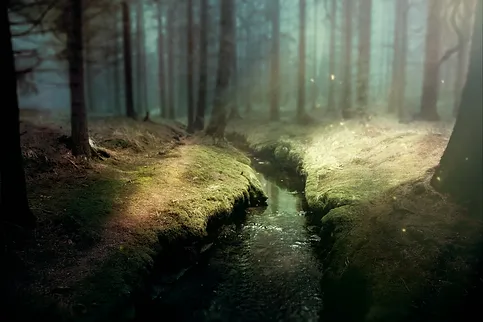
Scottish legends frequently treat the landscape as an active presence. Mountains become thresholds, lochs conceal dangerous intelligence, and islands preserve customs that the modern world has forgotten. This approach encourages fantasy writers to build settings with character rather than using scenery as background.
A remote glen can suggest isolation, but it can also hold a shared history. A coastal path may mark the boundary between ordinary life and the supernatural. In this kind of storytelling, geography shapes plot and psychology. Characters cannot move through the world without encountering its memories.
That relationship between place and narrative is especially useful in short fiction. A few precise details—a peat fire, a ruined broch, the sound of water beneath ice—can imply generations of folklore and create an atmosphere of quiet unease.
The Otherworld At The Edge
Scottish tradition is filled with encounters between human communities and an Otherworld that exists beside, beneath, or beyond ordinary reality. Fairies, known in many accounts as the daoine sìth, are not always tiny and charming figures. They may be proud, dangerous, beautiful, vengeful, or bound by unfamiliar forms of justice.
This moral uncertainty has strongly influenced modern fantasy. Supernatural beings often operate according to customs rather than human ethics. A promise may be binding in ways a character does not understand, while an apparently generous gift may carry a hidden cost. Such rules create tension through language, hospitality, and obligation.
The boundary between worlds is also psychologically powerful. A character who enters a fairy hill or follows music into the forest may be crossing into a literal realm, confronting grief, or both. Folklore allows these interpretations to coexist without reducing the supernatural to a puzzle that must be explained.
From Ballads To Modern Monsters
Scottish ballads and oral tales contribute a strong narrative pattern: a beautiful encounter turns unsettling, a warning is ignored, and the past returns with a price. The structure suits contemporary fantasy, gothic fiction, and Tartan Noir because it combines emotional intimacy with a growing sense of threat.
Water spirits provide some of the clearest examples. The kelpie, often associated with rivers and lochs, may appear as a magnificent horse before revealing its predatory nature. Modern writers can adapt this figure into stories about seduction, environmental danger, exploitation, or the fear of trusting what appears inviting.
Other creatures, including the each-uisge and the baobhan sìth, demonstrate how folklore can support horror without relying on constant violence. Their power comes from transformation, attraction, and the collapse of familiar protections. For readers drawn to dark fantasy's appeal, these motifs offer a meeting point between gloom, wonder, and moral ambiguity.
| Folkloric element | Traditional association | Contemporary fantasy use |
|---|---|---|
| Kelpies | Water, deception, dangerous attraction | Predatory beauty, ecological anxiety, hidden identity |
| Fairies or daoine sìth | Otherworldly law, bargains, altered time | Complex nonhuman societies and perilous contracts |
| Selkies | Seal skin, transformation, separation | Belonging, exile, bodily autonomy, divided identity |
| Witches and wise women | Healing, prophecy, suspicion | Female power, inherited knowledge, social rebellion |
| Haunted landscapes | Memory, clan conflict, ancestral presence | Place-based horror and historical reckoning |
Old Motifs, New Meanings
Folklore does not need to be reproduced exactly to remain meaningful. Contemporary authors often reshape old motifs to explore questions that earlier tellers could not frame in the same way. A selkie story, for example, may become a meditation on migration, gendered control, or the painful division between chosen identity and imposed identity.
This reinterpretation keeps traditional material alive. The essential emotional pattern remains recognizable, while the context changes. A fairy bargain might reflect exploitative work, a cursed inheritance might represent generational trauma, and a haunted house might preserve the voices of people erased from official history.
Scottish fantasy can therefore be both archival and inventive. It respects the force of the source material while allowing new characters and communities to claim space within it.
Language, Place, And Identity
The sound of Scottish Gaelic, Scots, and regional speech can deepen a fantasy world even when a story is written primarily in English. Names, rhythms, and untranslatable concepts suggest cultural histories that cannot be reduced to exposition. They also reinforce the idea that language shapes how people understand the supernatural.
Writers must approach this material with care. Borrowing names or symbols without understanding their context can flatten a living tradition into an atmospheric prop. Research, sensitivity, and attention to regional differences help prevent that outcome.
The strongest stories use folklore as part of a culture rather than as a costume. Characters should have personal relationships with legends: belief, scepticism, embarrassment, reverence, or frustration. A village may disagree about what a spirit is, while still obeying the custom associated with it.
Making Folklore Work In Short Fiction
Scottish folklore is particularly effective in short stories because its motifs arrive with built-in tension. A reader may recognize the outline of a familiar legend, yet remain uncertain about how the author will alter its meaning. The form rewards suggestion, compression, and endings that leave an echo rather than a complete explanation.
Writers developing folklore-inspired fantasy can focus on a few practical principles:
- Anchor the supernatural in a specific landscape with sensory detail.
- Give every magical rule a social or emotional consequence.
- Treat traditional beings as characters with motives, not decorative monsters.
- Research the origin and regional variations of the folklore you adapt.
- Let contemporary concerns emerge through the story instead of explaining them directly.
A platform devoted to speculative fiction can help these approaches reach varied audiences. Published short stories and themed contests create space for established legends, experimental retellings, and entirely new myths influenced by Scotland’s atmosphere without being confined to its past.
Contemporary fantasy thrives when it treats folklore as a conversation between generations. Scottish tales offer enduring images of thresholds, bargains, transformation, and belonging, while modern writers bring new anxieties to those old shapes. Submit a story, discover emerging voices, and explore how the next generation of authors is carrying these legends into unfamiliar worlds.