


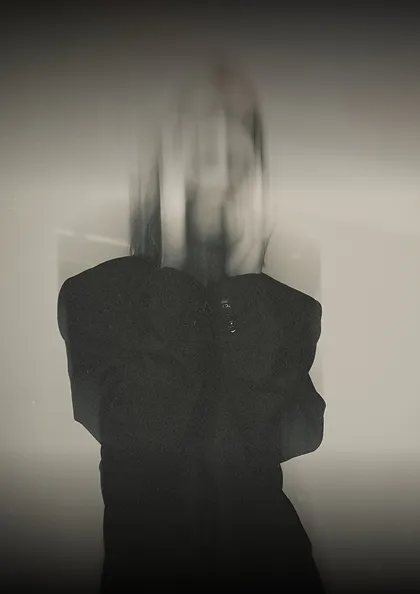

Leaving the door open: writing stories without closure
Short fiction has always been a space for experimentation, and a story with no clear resolution sits at the experimental edge of the form. Many Australian authors have long understood that readers do not always need a tidy answer to feel satisfied. From speculative fiction circulating through small Melbourne presses to the gritty Tartan Noir appearing in Adelaide journals, the unfinished ending has become a deliberate choice rather than a failure of craft.
A story without resolution asks the reader to sit with discomfort, to interrogate meaning, and to accept that some questions remain unanswered. This is rarely accidental. Writers who choose this path are making a calculated decision about emotional truth, reader trust, and the kind of art they want to create. The practice rewards patience, and it demands a sharper toolkit than stories that follow the predictable arc of conflict, climax, and denouement.
Why ambiguity has earned its place
Ambiguity in fiction is not a modern invention, but it has gained serious traction in contemporary short fiction, particularly in genres that prize atmosphere over plot. Australian readers have shown a willingness to engage with open-ended narratives, particularly when the work interrogates identity, history, or belonging. Stories that withhold resolution encourage active reading, allowing the audience to participate in meaning-making rather than passively receive it.
This shift reflects broader cultural movements in how we consume stories, including serialised television, immersive podcasts, and collaborative fiction communities. When readers finish a piece and find no clear conclusion, the conversation expands into forums, reading groups, and quiet reflection. Authors who trust their audience in this way often find that the work continues to resonate long after the page is turned.
Worlds that keep their secrets
A story without resolution often leans heavily on its world, since setting can carry emotion when plot cannot. Fantasy and speculative writers in particular know that a carefully constructed setting can hold its own ambiguities. When outlining magic systems or supernatural rules, the approach outlined in crafting believable magic systems often leaves room for the unexplained, for mysteries that the protagonist cannot fully penetrate.
World-building for unresolved fiction asks the author to be deliberate about what remains hidden. A character who walks through a haunted Brisbane laneway at dusk may notice shadows that move against the light, but if the writer forces an explanation, the dread evaporates. The craft lies in providing enough texture for the reader to feel grounded while leaving gaps wide enough for imagination to fill. Small details become load-bearing: the smell of eucalyptus after rain, the sound of distant traffic, a stranger's glance that lingers a beat too long.
Characters who refuse to change
A common misconception holds that every protagonist must transform. In a story with no clear resolution, characters often resist change entirely, or change in ways the reader cannot fully verify. This mirrors lived experience, where growth is incremental, uneven, and frequently invisible. Australian literary traditions have always been drawn to interior lives, and unresolved endings suit characters whose interior worlds remain partially inaccessible.
A writer building such a character might focus on the texture of thought rather than the triumph of decision. Internal monologue can carry across a brief story without ever resolving into a chosen path. The character wanting to leave Sydney, the partner sitting in silence on a veranda in Hobart, the neighbour watching a street light flicker but never answering the door. Each can remain suspended in possibility, and the writer simply stops the camera at the moment of suspended breath.
Setting as emotional echo
Landscape carries enormous emotional weight in Australian fiction. The red dust of the interior, the wet grey of a Tasmanian winter, the bright overload of a Queensland morning, all of these can hold feeling that a plot cannot. When a story leaves questions unanswered, the setting often becomes the final image, a place the reader can carry into uncertainty. Pacing the story so that the closing scene lingers on a sensory detail rather than a revelation is one of the most effective techniques for open-ended fiction.
Writers inspired by collections such as the MIRK issue often lean on atmospheric horror or quiet dread, where the landscape itself behaves strangely. A river that runs backwards, a forest that swallows sound, a homestead that no local will discuss. None of these need to be explained. The setting becomes a vessel for whatever the reader brings to it, and the story ends at the moment the reader's imagination truly begins.
The Australian reading public
Readers across Australia have grown more comfortable with ambiguity, particularly through independent magazines and online journals. Short fiction published through platforms that host Tartan Noir or speculative work finds audiences in Perth book clubs, Newcastle writing circles, and Canberra literary festivals. Conversations at these events often centre on what was left unresolved, and writers report that ambiguity sparks more engagement than a tied-up conclusion.
This cultural shift matters for emerging authors. When pitching an open-ended piece, knowing that the readership responds well to uncertainty gives the writer confidence. Editors, too, have come to recognise the strength of unresolved work, and many actively seek stories that resist closure when the closure would betray the emotional core.
Preparing open-ended stories for publication
Submitting an unresolved story requires careful attention to craft, especially regarding expectations. Magazines vary in their appetite for ambiguity, and reading recent issues provides valuable calibration. When considering where to send work, an overview of submitting to literary magazines can clarify the practical considerations, from cover letter phrasing to formatting conventions.
For the manuscript itself, the writer should ask whether every scene earns its place. In an unresolved story, scenes that feel ornamental will undermine the trust the ambiguity requires. Tension should build to a peak that feels earned, even without a falling action. A final image, a final line of dialogue, or a sensory close can anchor the piece so that the absence of resolution feels intentional rather than incomplete.
Practices for writers working without resolution
- Read widely in the form you admire, paying attention to how other authors close open-ended pieces
- Draft past the spot where you would normally write the ending, then find the natural resting point
- Build texture through sensory detail so the world feels inhabited even when plot feels unresolved
- Use a final image that lingers, allowing setting to carry the emotional weight of the piece
- Seek feedback from readers who can articulate what they felt rather than whether they understood
- Revise with awareness that ambiguity is a craft choice and should feel carefully constructed
- Read archived issues of the magazines you plan to submit to, gauging tone and appetite for the unresolved