


The allure of the Scottish Highlands in fantasy settings
Few landscapes carry such immediate imaginative force as the Scottish Highlands. Mountain ridges, peat-dark lochs, sea-facing cliffs, and narrow glens create a setting that feels both tangible and enchanted. Even before a supernatural element appears, the terrain suggests hidden histories, old loyalties, and dangers concealed beyond the next bend.
For fantasy writers, this region offers more than dramatic scenery. Its weather can alter the mood of a scene, its Gaelic and Norse influences can deepen a fictional culture, and its scattered settlements can make every journey feel consequential. A remote croft, ruined broch, or solitary island may become a refuge, a prison, a shrine, or the threshold to another realm.
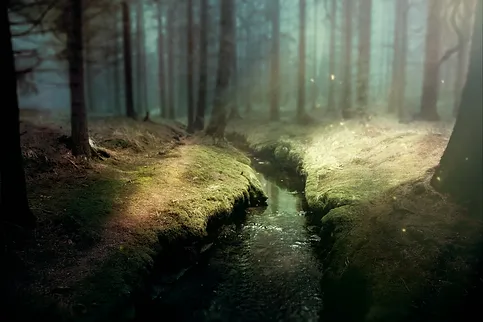
The power of the Highlands lies in the tension between beauty and severity. Sunlight can turn a loch silver, while fog can erase the road home. That contrast gives speculative fiction a natural atmosphere of uncertainty, allowing the landscape to participate in the story rather than merely decorate it.
Landscape as a living presence
In a Highland-inspired fantasy world, geography can function almost like a character. Mountains divide communities, rivers determine trade routes, and a storm can postpone an army or strand a traveller for days. The setting creates pressure before the plot demands it, giving each decision a physical consequence.
A valley may shelter an ancient people from the wider world, but it may also trap them in inherited beliefs. A high pass can represent freedom to one character and exposure to another. When writers give terrain its own influence, journeys become emotional as well as practical.
This approach is especially effective in short fiction, where a few precise details must establish a complete atmosphere. The sound of water under a bridge, the smell of wet wool, or the sight of heather bending beneath rain can imply an entire culture without lengthy explanation.
Folklore beneath the mist
Highland folklore offers rich material for stories about thresholds, bargains, and altered identities. Tales of faeries, water spirits, second sight, and haunted landscapes can inspire original mythology without requiring direct retellings. The key is to treat folklore as a living system of belief rather than a collection of decorative creatures.
A supernatural being should have a relationship with the community around it. Perhaps fishermen leave offerings beside a loch, children are warned never to answer a voice from the mist, or a family has guarded a secret pact for generations. Such customs make magic feel embedded in daily life.
Language can deepen that impression. Place names, songs, blessings, and old proverbs may reveal how people understand fate and nature. Writers should use cultural references thoughtfully, building an imagined society with care rather than reducing Scottish tradition to tartan, castles, and mysterious strangers.
Weather that changes the story
The Highlands are particularly suited to fantasy because the weather can shift the emotional temperature in an instant. A clear morning may invite confidence, while a sudden haar conceals an enemy, transforms familiar ground, or separates a traveller from their companions. Rain is not simply an inconvenience; it can shape the timing and meaning of an entire event.
A storm may force rivals into the same ruined shelter. Snow can preserve evidence or erase a trail. Sunlight breaking through cloud might reveal a hidden monument at the exact moment a character is ready to abandon the search. These changes make nature an active storytelling force.
Weather also supports psychological depth. A character who fears open ground may welcome fog, while another sees mist as a sign of approaching doom. By connecting landscape to personal memory, writers can make a familiar atmospheric device feel specific and emotionally charged.
Highlands as story engine
The region’s remoteness creates useful narrative friction. Messages arrive late, help is difficult to summon, and a community may depend on knowledge held by one person. These conditions suit tales of investigation, survival, rebellion, and supernatural discovery.
A fantasy settlement inspired by the Highlands does not need to be isolated from the world entirely. It might sit beside an important sea route, trade rare minerals, or guard a pass used by rival kingdoms. Its distinctive power can come from its relationship with the surrounding terrain rather than from complete separation.
| Highland element | Fantasy possibility | Story pressure |
|---|---|---|
| Mist-covered loch | A boundary between worlds | Travellers cannot trust what they see |
| Ancient stone circle | A dormant source of power | The community must decide whether to awaken it |
| Mountain pass | A contested route between clans | Weather and enemies make passage dangerous |
| Island settlement | A refuge for exiles or magical beings | Supplies, loyalty, and escape are limited |
| Ruined castle | A place where history remains active | The past threatens the present |
The strongest settings combine these features with human conflict. A cursed loch matters because someone must cross it. An ancestral castle matters because its inheritance will decide who rules. Fantasy becomes more compelling when the landscape’s mystery collides with recognisable needs: belonging, safety, justice, love, and power.
Building an original Highland-inspired world
Writers can draw on the visual language of the Scottish landscape while creating cultures, histories, and magical laws of their own. An invented clan system might be based on shared oaths rather than blood. A mountain could be revered as a sleeping ancestor, or a coastal village might measure time by tides instead of calendars.
Specificity prevents atmosphere from becoming vague. Decide what people eat during a hard winter, how they repair roofs after a storm, which paths are safe at dusk, and who owns access to the grazing land. Practical details make the fantastic credible because characters appear to live in the world rather than simply move through it.
When preparing a story for publication, clarity of premise and control of atmosphere matter as much as imaginative detail. Writers interested in the editorial side of short fiction can find useful magazine editor’s advice on the qualities editors often seek in a submission.
Choices that strengthen the setting
A memorable Highland fantasy setting usually emerges from a few carefully connected decisions rather than an accumulation of lore. Consider these approaches:
- Give the landscape a rule that affects the plot, such as a pass that opens only during a particular moon phase.
- Let local beliefs create disagreement between characters instead of presenting one unquestioned version of truth.
- Use sensory details associated with weather, stone, water, smoke, and vegetation to ground magical events.
- Build travel time and physical difficulty into the narrative so that distance has genuine consequences.
- Create a relationship between the supernatural and an ordinary community practice, such as fishing, farming, weaving, or burial.
These choices help avoid the impression of a postcard setting. The Highlands become most powerful when their beauty carries cost, their legends influence decisions, and their wilderness reflects the moral or emotional tensions of the characters.
From atmospheric idea to finished story
The Scottish Highlands can support many kinds of speculative fiction: a quiet ghost story beside a loch, a dark fantasy about inherited power, a tale of rival clans, or a Tartan Noir mystery in which the supernatural may be real or merely suspected. The setting remains flexible because its central qualities—distance, memory, weather, and wildness—can serve different genres.
For readers, such stories offer the pleasure of entering a recognisable yet transformed world. For writers, they provide a natural framework in which every road, ruin, and weather front can carry meaning. A carefully imagined glen may become as memorable as any character.
Bring that atmosphere to the page through a polished short story and submit it to a platform that values imaginative fiction and emerging voices. Readers can also explore the available delivery information while discovering new stories shaped by distinctive worlds and fearless ideas.