
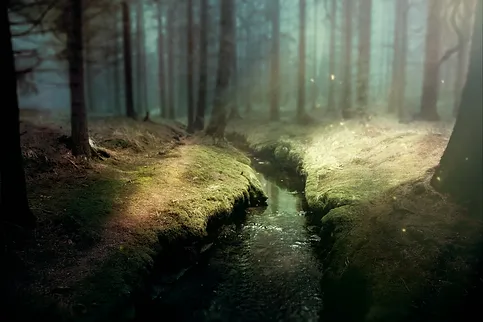



How to use the Scottish landscape for noir atmosphere
Scottish scenery can do far more than decorate a crime story. A wind-battered island, a rain-darkened glen or a deserted stretch of single-track road can apply pressure to every character in the scene. When the landscape has its own force, it becomes part of the plot rather than a postcard behind it.
Learning how to use the Scottish landscape to enhance noir atmosphere begins with resisting the urge to make it uniformly beautiful. Noir depends on uncertainty, moral compromise and concealed threat. The same hills that look inviting in daylight can become barriers after dusk, while a familiar loch can suggest secrecy, drowning or evidence that will never be recovered.
Australian readers may recognise this contrast from Melbourne’s laneways after closing time or a bush track during a total fire ban. A location feels dangerous when ordinary knowledge changes its meaning. In Scotland, the shift might come with haar rolling over a harbour; in Australia, it may arrive with a sudden drop in visibility, a heatwave or the eerie quiet that follows an emergency warning.
The strongest landscape-based fiction also respects local detail. Weather, roads, working routines and community habits should influence what characters can plausibly do. Atmosphere becomes convincing when it emerges from practical reality rather than a collection of gloomy adjectives.
Make weather a pressure system
Rain is often used lazily in noir, as though wet pavements automatically create menace. Give it a job instead. Persistent rain can erase footprints, flood a burn, delay a search party or keep neighbours indoors. A freezing wind can make a character abandon a planned route, while thick mist can turn a familiar village into a maze.
Scottish weather is changeable enough to create shifting evidence. A body discovered beside a loch may have been exposed by receding water. A storm may knock out power to a remote house and remove mobile coverage at the precise moment a confession begins. Weather should alter the available choices, not merely describe the mood.
Use local forecasts and warnings as part of the story’s social fabric. An Australian reader understands the tension in a character checking bushfire danger ratings before travelling, just as a Scottish character may monitor ferry cancellations, road closures or wind warnings. These habits make suspense feel lived-in.
Turn distance into danger
A map can be a noir instrument. Scottish distances may look modest on paper, yet narrow roads, steep passes, ferries and poor weather can make a short journey consume hours. A character who promises to arrive “before dark” has already created a deadline, particularly when the route crosses open moorland or a bridge that can be closed by wind.
Remote settings also complicate rescue. A phone may show a signal at the edge of a cliff and lose it in the hollow below. A passing vehicle may belong to the only household for kilometres. A village may have a pub, a post office and a strong memory of old scandals, but no convenient anonymity.
Details that make remoteness credible
- A delayed ferry changes who can leave the island.
- A locked bothy provides shelter but also traps two suspects together.
- A single-track road forces strangers into an uncomfortable encounter.
- A village noticeboard reveals who belongs and who does not.
Distance should affect relationships as much as logistics. In a small community, privacy is scarce, yet help can be slow. That contradiction creates ideal noir conditions: everyone knows something, no one knows everything, and the person offering assistance may be protecting a long-standing lie.
Let place shape character
Landscape influences the people who live with it. Someone raised near a treacherous coastline may read tides and wind instinctively, while an outsider notices only dramatic cliffs. A crofter, ferry worker, gamekeeper or hotel owner will possess practical knowledge that gives them power over visitors. Their familiarity can become a weapon without turning them into a stereotype.
Consider how economic realities shape behaviour. A declining highland town may rely on seasonal tourism, a distillery, a quarry or a small care facility. A missing person could threaten a family business, expose illegal development or revive an argument over land access. The setting becomes politically and emotionally charged when characters have material reasons to conceal the truth.
The contrast with Australian places can sharpen your choices. A character accustomed to Sydney’s constant movement may find an island community’s attention oppressive. Someone from suburban Brisbane may misjudge cold, darkness and travel time. Everyday habits—buying takeaway coffee, checking public transport, walking a dog before work—can make an unfamiliar Scottish setting accessible before its danger emerges.
Use sound, light and texture
Noir atmosphere is sensory before it is visual. Let the reader hear rain striking corrugated roofing, ropes knocking against a harbour wall or a distant engine climbing a hill. Silence should be specific too: the absence of gulls, machinery or voices can signal that something has changed.
Light is equally useful. Winter twilight can flatten the landscape, while a farmhouse window may appear warm from a road but reveal nothing about the room inside. Sodium streetlights, headlamps and the blue glow of a phone create limited fields of vision. A character sees enough to make a mistake, never enough to feel secure.
Texture prevents the setting from becoming generic. Peat stains cuffs, wet wool carries smoke, salt dries on a jacket and gravel shifts beneath hurried feet. Such details can carry evidence. Mud on a trouser hem, heather caught in a car door or a distinctive smell from a sea loch may connect a suspect to a place without requiring an implausible confession.
Sensory clues with narrative value
- A ferry horn marks the last possible escape.
- Wet tweed carries a stranger’s smoke into a clean room.
- Peat-black water hides an object until the weather changes.
- A failing headlamp turns a path into separate fragments.
Supernatural suggestions can deepen uncertainty without replacing investigation. An old story about a drowned village, a figure seen on the moor or voices carried across a loch may represent grief, guilt or genuine disturbance. Techniques discussed in psychological thriller fiction can help keep the supernatural element ambiguous while maintaining emotional stakes.
Build ethical, credible atmosphere
A noir landscape should not reduce Scottish communities to picturesque misery. Research local history, pronunciation, land disputes and regional differences, and avoid treating Gaelic culture as an ornamental mystery device. Specificity is more respectful and more suspenseful: a character’s knowledge of local access rights or weather patterns can matter more than a dramatic castle.
Credibility also involves the publishing environment. Australian writers often move between local writing groups, independent presses, online magazines and themed competitions, where a compact, atmospheric story can reach readers without a large commercial campaign. A sharply controlled opening matters in any market; guidance on a memorable opening line can help establish threat before the landscape is fully explained.
Digital publication brings practical responsibilities as well. If a story submission includes names, contact details or biographical information, writers should understand how those details are handled under the Australian Privacy Act 1988 and related platform practices. Reading the publication’s privacy policy is a sensible part of submitting work, especially for authors building a public profile.
The landscape is most powerful when it limits freedom, preserves memory and exposes character. Let the road close, let the weather contradict the evidence, and let the setting remember what the people are determined to forget.