


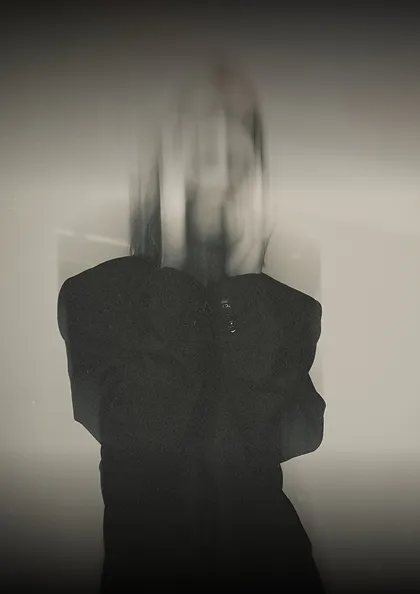

How to Structure a Short Story Around a Single Powerful Image
A short story can begin with an image that refuses to disappear: a child’s red shoe floating in a flooded street, a wedding dress hanging from a gum tree, or a lit window in an abandoned station. Such an image carries emotional pressure before the characters or plot have been explained. It creates a visual promise that the story must gradually fulfil, complicate, or break. Learn more about Double Or Quits.
Structuring a short story around a single powerful image means treating that image as more than decoration. It becomes the story’s central engine, shaping the character’s desire, the unfolding conflict, and the final change in meaning. Every scene should either move the image closer, reveal something hidden inside it, or force the reader to see it differently.
This approach suits literary fiction, fantasy, speculative stories, and Tartan Noir because it creates unity within a limited word count. A recurring image can link a realistic Melbourne flat with an impossible parallel world, or turn an ordinary object found at a Brisbane weekend market into evidence of a crime. The image gives the narrative a spine while leaving room for surprise.
Choose an image with built-in tension
A compelling image usually contains a contradiction. It is beautiful but threatening, familiar but misplaced, or fragile in a dangerous setting. A silver fish trapped in a suburban swimming pool suggests more than a fish and a pool; it raises questions about who placed it there, what has been disrupted, and what the characters refuse to acknowledge.
Avoid choosing an image solely because it looks striking. A cinematic picture can remain emotionally empty if it has no connection to the protagonist’s problem. Ask what the image represents in the character’s private life. A burnt-out caravan might embody grief, freedom, family shame, or the fear of starting again. Its narrative value comes from the pressure it places on someone.
The image should also be specific enough to recur without becoming vague symbolism. “A damaged photograph of a woman beside a dry riverbed” gives you texture, history, and setting. “A memory of loss” does not. Concrete details allow the reader to see the object, while the surrounding story gradually supplies its emotional weight.
Build the protagonist’s desire around it
Once the image is selected, give the protagonist a reason to pursue, protect, destroy, hide, or understand it. This desire provides forward movement. In a 3,000-word story, the character may want to retrieve a missing painting before an auction, discover who keeps leaving feathers on the verandah, or prevent a familiar face from appearing in a recurring dream.
The desire should be active rather than purely reflective. A protagonist who simply remembers an image may produce a quiet and effective story, but the memory needs consequences in the present. Perhaps a commuter sees the same abandoned pram near Sydney’s Central station every morning and finally stops to investigate. The decision changes the character’s relationship with fear, responsibility, or guilt.
Use the central image to expose the protagonist’s emotional contradiction. Someone may claim to want the truth while repeatedly cleaning, repainting, or concealing the object that contains it. For guidance on shaping that emotional response, this specific emotion guide offers useful ways to connect external detail with inner experience.
Let each scene alter its meaning
A recurring image should not appear unchanged each time. Its physical form, context, or emotional significance needs to shift. The first appearance might be mysterious, the second threatening, and the third painfully ordinary. These changes create development without requiring a complicated plot.
Consider a story about a yellow raincoat hanging outside a house during a long drought. At first, it may suggest a missing child. Later, the protagonist discovers that the coat belongs to an adult who used it to signal someone. Near the end, the garment becomes evidence that the protagonist’s own memory has been edited by trauma. The image remains recognisable while its meaning deepens.
Scenes can also make the image less visible while increasing its influence. A character may talk about the object without naming it, hear a sound associated with it, or encounter a similar shape elsewhere. A circle of light beneath a hotel door can echo the moon, a watch face, and the glare of a police torch. These visual rhymes prevent repetition from becoming mechanical.
Control revelation and narrative pace
The central image often works best when the reader receives partial information. Reveal its surface first, then its history, and finally its moral or emotional significance. If every explanation arrives in the opening paragraph, the story loses the tension that makes the image powerful.
Pacing can be organised around three encounters. The first establishes curiosity. The second introduces danger or contradiction. The final encounter forces a choice. Between those points, allow action, dialogue, and sensory detail to generate clues rather than pausing for long explanations.
A short story does not need a twist, but it does need a shift in understanding. A surprise ending should feel inevitable in retrospect, with details planted early enough to support it. Writers interested in reshaping audience expectations can explore this discussion of twist ending strategies, particularly when the image appears to promise one genre and quietly delivers another.
Give the final image a changed charge
The ending should return to the central image or leave its imprint on the last scene. This does not require repeating the exact description. A character who first saw a locked greenhouse as a prison might later enter it willingly, finding that the broken glass has become a way to see the stars. The object has not necessarily changed; the character has.
For Australian writers, place can intensify this transformation. A storm drain after a Melbourne downpour, a heat-cracked footpath in Adelaide, or the pale light of a remote Queensland road carries local texture without needing lengthy explanation. Everyday habits, such as stopping for takeaway coffee, checking a bushfire warning, or driving to a Saturday market, can make an uncanny image feel embedded in ordinary life.
The local publishing landscape also rewards precision. Readers encountering a story through a free online magazine may give it only a few minutes of attention, so a vivid image can establish atmosphere quickly. Writers should remember that their work is protected under Australia’s Copyright Act 1968, while contests and publications may set their own rules about original, unpublished submissions. The image belongs at the centre of the story, but the surrounding prose must earn its place through fresh detail and controlled movement.
A useful test is to remove the central image from the draft and see what collapses. If nothing changes, it was probably decorative. If the protagonist’s desire, the sequence of events, and the final emotional turn all weaken, the image is doing structural work. That is the point at which a memorable picture becomes a complete short story.