


Exploring the theme of isolation in Tartan Noir
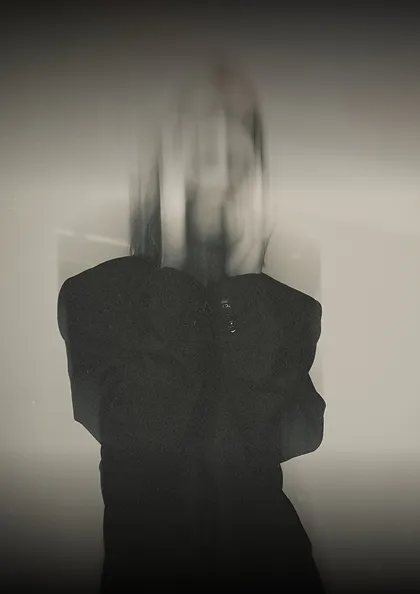
Tartan Noir is often associated with rain-dark streets, damaged investigators and crimes that expose the buried tensions of Scottish communities. Yet its deepest subject may be isolation: the distance between neighbours, families, lovers and the self a person presents to the world. Murder becomes the visible event, while loneliness supplies the pressure beneath it.
This atmosphere does not depend on remote glens or bleak islands. Isolation can grow in a crowded Glasgow tenement, a hospital corridor or a late-night train where every passenger avoids eye contact. The form is especially powerful because it places private despair inside recognisable social structures, showing how people can remain unseen while living close together.
For Australian readers and writers, the emotional landscape has useful points of connection. A Melbourne tram at dusk, a remote Tasmanian town during winter or a suburban street during a week of bushfire smoke can all create a sense of enclosure. The setting changes, but the noir question remains: who notices when someone begins to disappear?
Short fiction is well suited to this theme. A few carefully chosen details can suggest years of estrangement, institutional neglect or inherited shame. A locked door, an unanswered text and a familiar voice heard through a thin wall may tell us more about a character’s emotional life than a page of explanation.
Landscape as an emotional trap
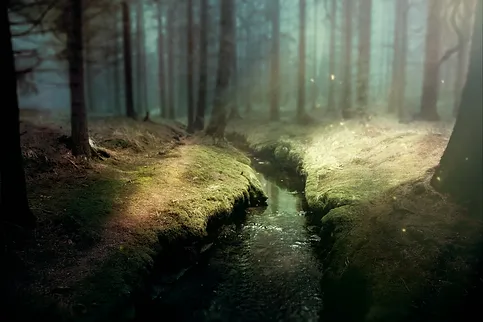
In Tartan Noir, landscape rarely functions as decoration. Rain, moorland, dark water and derelict buildings seem to reflect the characters’ mental states, but they also exert practical force. A storm can cut off a village, a ferry timetable can limit escape, and a long drive can give a suspect time to rehearse a lie. Geography becomes part of the plot’s moral machinery.
The same principle can work in Australian settings. A story placed beyond Hobart might use winding roads and limited public transport to make separation tangible, while a crime in outer Melbourne could draw attention to isolation within a dense population. Even the daily ritual of waiting for a delayed train or buying groceries at a nearly empty late-night shop can make a character feel stranded.
The loneliness of belonging
Many noir characters are isolated because they belong too deeply to a family, workplace or local culture. Loyalty prevents them from speaking. Reputation becomes more valuable than truth. In a small community, everyone may know a person’s history, yet nobody wants to be the first to name what happened. Silence then becomes a shared habit rather than an individual choice.
Dialect can strengthen this social pressure, but it should reveal relationships rather than turn speech into spectacle. A character’s vocabulary might shift when speaking to a police officer, an older relative or an outsider. Writers exploring Scottish voices can draw on this dialect guidance to preserve texture while keeping the emotional stakes clear.
Institutions that leave people alone
Isolation often becomes most frightening when institutions are present but ineffective. Police, hospitals, schools, councils and courts may appear orderly while failing the person who needs help. A detective who cannot trust colleagues, a witness afraid of police attention or a victim dismissed as unreliable can all embody the same idea: society has created systems of contact without creating genuine care.
Australian fiction can ground this tension in familiar legal realities. Defamation law may discourage a local journalist from naming a powerful business owner, while the Privacy Act 1988 shapes what employers, clinics or agencies can disclose. These details should not become a lecture, but they can explain why information remains hidden and why a character chooses silence over official help.
Voice, silence and unreliable truth
A first-person narrator can make isolation intimate, particularly when the reader receives no perspective outside the character’s damaged interpretation. The narrator may misread kindness as manipulation or mistake routine concern for surveillance. Gaps in memory and evasive answers invite the reader to experience uncertainty rather than simply observe it.
Dialogue offers another route into loneliness. People who live together may speak in practical fragments about rent, weather or dinner while avoiding the event that governs every interaction. A historical or speculative story can use the same method; these dialogue techniques help writers give each voice its own pressure, rhythm and withheld meaning.
The body under pressure
Isolation has physical consequences. A character stops sleeping, misses meals, drinks alone or becomes hyperaware of ordinary sounds. Noir can portray these habits without romanticising despair. The body records the cost of secrecy, allowing the reader to sense danger before the plot explains it.
Small Australian details can make that deterioration concrete: a character leaves a pedestal fan running through a hot Adelaide night, avoids the communal barbecue in a Brisbane unit block or checks smoke alerts before driving across regional Victoria. Everyday routines create a contrast with the crime, reminding us that terror rarely arrives in an empty world. It interrupts the familiar one.
Turning solitude into recognition
A satisfying Tartan Noir story does not need to offer comfort, but it should make isolation meaningful. Recognition may come through a confession, an arrest, a public accusation or a quiet decision to answer a phone call. The crucial change is that the character’s private experience enters the shared world, even if the result is painful.
For writers, this makes themed publication opportunities valuable. A contest such as the Mirk writing contest can provide a home for stories that approach darkness through atmosphere, character and moral complexity. The strongest entries usually understand that a mystery is more than a question of who committed the crime: it asks who was abandoned, who benefited from the silence and whether connection remains possible.
Isolation gives Tartan Noir its chill because it is both setting and condition. It can be created by weather, class, geography, shame or the failure of public systems. When handled with precision, the theme turns a crime story into an examination of belonging, showing how easily a person can become invisible—and how disruptive it can be when someone finally looks closely.