


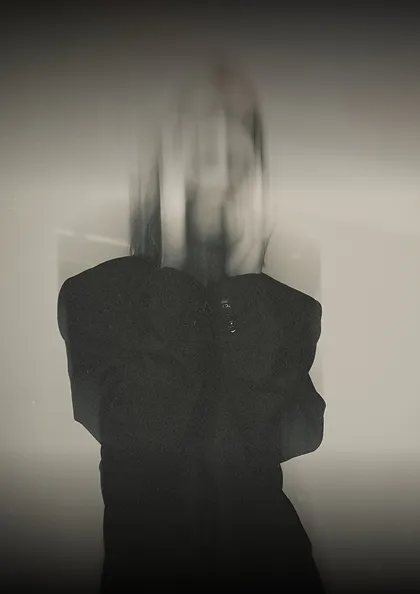

Time Outside the Clock in Noir
Noir has always distrusted straight lines. Its detectives move through rain-dark streets, damaged memories, old betrayals, and clues that refuse to arrive in the order they occurred. Time in this tradition is rarely a neutral backdrop. It is evidence, pressure, and sometimes the hidden architecture of the crime.
Exploring the concept of time as a non-linear element in noir reveals why the genre feels so psychologically intense. A story may begin with the aftermath of a murder, return to the night before it happened, then leap years into the past to uncover the wound that made the present inevitable. The result is not confusion for its own sake, but a structure shaped by guilt, secrecy, and revelation.
For writers and readers of speculative fiction, this approach creates a useful meeting point between crime narrative and the uncanny. A fractured timeline can suggest unreliable memory, parallel realities, supernatural recurrence, or a future that has already begun to cast its shadow over the present.
The Clock As A Suspect
In conventional mystery fiction, chronology often supports investigation. Events happen, clues accumulate, and the detective reconstructs a reliable sequence. Noir complicates that promise. The clock may measure time, but it does not necessarily explain it. A witness remembers selectively, a criminal stages evidence, and the investigator may understand the truth only after misreading the past.
This makes chronology itself suspicious. A delayed revelation can carry the force of a hidden confession, while a scene shown too early may appear ordinary until later information changes its meaning. Non-linear storytelling turns sequence into an active source of tension.
The effect is especially powerful when the reader knows that the present is contaminated by what came before. Every conversation can contain an echo, and every apparently minor detail may be a fragment from a different point in the timeline.
Memory, Guilt, And Repetition
Noir protagonists are often trapped by memory. They revisit an old case, an abandoned lover, a failed act of courage, or a moment when they chose survival over justice. A non-linear narrative can imitate this mental state by circling the central event instead of approaching it directly.
Repetition also carries moral weight. The same street, phrase, or gesture may appear in different periods, revealing how characters repeat their mistakes under changed circumstances. In a speculative noir story, the repetition might be literal: a time loop, a haunted interval, or a city caught in a recurring night. In a realistic story, it may be psychological, with the past continually reasserting itself through behavior.
Letters, diaries, recordings, and other documents offer a particularly intimate way to fracture time. A writer exploring this method can find useful context in the epistolary short story, where written communication allows the past to speak directly into the present while leaving room for omissions and manipulation.
How A Fractured Timeline Changes Suspense
A linear plot asks what will happen next. A non-linear noir plot may ask a different question: what has already happened, and why has it been concealed? Suspense shifts from anticipation to interpretation. The reader becomes an investigator of structure, comparing scenes and identifying contradictions.
| Temporal Method | Effect On The Story | Noir Possibility |
|---|---|---|
| Flashback | Reframes a present conflict | Reveals the crime behind a damaged relationship |
| Flash-forward | Creates dread and inevitability | Shows the detective approaching a fate already glimpsed |
| Circular structure | Suggests entrapment or recurrence | Returns the protagonist to the scene of an original betrayal |
| Fragmented chronology | Makes truth unstable | Mirrors trauma, conspiracy, or deliberate deception |
| Parallel timelines | Connects separate consequences | Lets one crime echo across generations or realities |
The most effective shifts have a clear emotional or investigative purpose. A flashback should expose a motive, alter sympathy, or complicate the apparent facts. A flash-forward should create pressure rather than simply advertise a surprise. When every temporal movement changes the reader’s understanding, fragmentation becomes meaningful rather than decorative.
The Future Casts A Shadow
Noir is commonly associated with the weight of the past, yet the future can be equally oppressive. A character may receive evidence of a crime that has not happened, discover a prediction that seems impossible to avoid, or live in a society shaped by consequences nobody remembers causing.
This is where speculative noir expands the genre’s moral vocabulary. If the future is known, does responsibility begin before the act? If a character remembers an event that has not occurred, can the memory be trusted? If a city has experienced several possible futures, which version of justice should prevail?
Such questions suit dark, atmospheric fiction because they preserve uncertainty without abandoning consequence. Even when time branches or loops, choices still matter. The tragedy lies in recognizing a pattern and participating in it anyway.
Writing Time That Feels Deliberate
A non-linear story needs emotional signposts. Changes in setting, voice, physical detail, or sentence rhythm can help readers recognize where they are. A character might wear an unhealed injury in one period and carry only a scar in another. A familiar location may be described before and after its destruction. These details guide the reader without flattening the mystery.
Writers can also distinguish between what a character knows and what the reader knows. An early scene may be factually accurate but emotionally misleading because its context is missing. Later sections should deepen the original moment, not cancel it through a last-minute explanation.
A useful draft process is to write the timeline in chronological order first, then decide which revelations deserve delay. This preserves causal clarity beneath the surface disruption. The final arrangement should feel like the shape of discovery, trauma, or moral reckoning—not a puzzle assembled merely to appear clever.
Recommendations For Building Temporal Noir
- Give every jump in time a clear purpose, such as revealing motive, changing sympathy, or increasing danger.
- Repeat selected images or locations so readers can feel connections between different periods.
- Let unreliable memory create uncertainty without making every fact impossible to trust.
- Use speculative devices to intensify noir themes of guilt, fate, corruption, and consequence.
- Read widely across short fiction to study how different voices manage withheld information and delayed revelation.
Short-form noir benefits from compression. A few carefully placed temporal shifts can suggest an entire history of betrayal, while a single repeated detail can connect a crime to its eventual consequence. Platforms such as Mirk Fiction offer a natural home for dark, imaginative stories that test the boundaries between crime, fantasy, and the strange.
Let The Past Catch Up
Time becomes most compelling in noir when it behaves like a moral force. It conceals evidence, distorts recollection, and gives characters opportunities to escape—only to return them to the consequences they hoped to outrun. A fractured timeline can therefore do more than rearrange events. It can make the structure of the story reflect the pressure inside its characters.
For readers, this creates a richer kind of participation: every scene is both a moment and a clue. For writers, it opens a path toward stories where mystery operates across decades, possible futures, and haunted repetitions. Explore short fiction that bends chronology with purpose, and submit your own vision of time, crime, and consequence to Inspiring Fiction.