


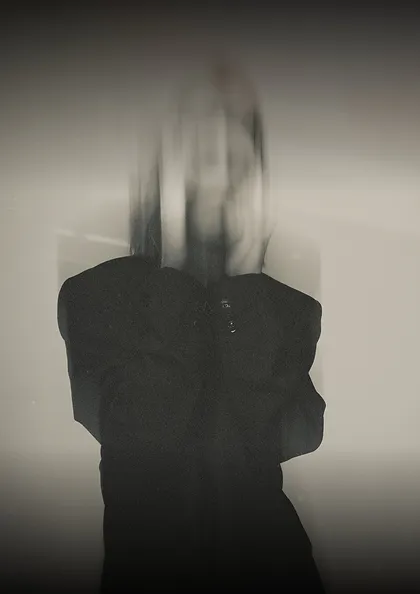

The shadow craft of noir villains
Crime fiction gains its pull when the person causing the trouble never quite steps into the light. Crafting a Noir Villain Who Operates in the Shadows is therefore less about a sinister face than about making influence, secrecy and consequence feel real. The antagonist may be glimpsed, heard or inferred, yet their choices should leave unmistakable marks.
That atmosphere has a natural Australian register: Sydney rain streaking office windows and a Melbourne tram crossing an intersection against a red light. Familiar rituals sharpen unease because ordinary life continues around the crime. A quiet bargain can carry the same weight as a threatening phone call when the exchange reveals character and power.
The shadow villain needs agency, acting, adapting and accepting risk instead of merely haunting a scene. Motives need not be sympathetic; they should be legible enough for readers to trace the trail. Corruption, fear, ambition or misplaced loyalty can provide the engine, while the setting determines what the character believes is permissible.
Short fiction leaves little room for decorative complexity, so every gesture must serve atmosphere, plot or theme. That discipline suits the speculative fiction, fantasy and Tartan Noir presented in Inspiring Fiction’s free-to-read magazines, where a repeated detail can accumulate dread before an explanation arrives. Careful revision matters: a threatening presence becomes convincing without a grand speech or theatrical entrance.
Build a threat with visible fingerprints
Begin with the antagonist’s effect instead of a biographical dump. A missing payment, altered roster or sudden change in a suspect’s routine gives the hidden figure a visible fingerprint. Repeat one behaviour with variation, allowing the detective to notice the pattern before its meaning becomes clear.
Objects can carry the same burden. A misplaced folder, an oil-stained tie or a security pass left in plain sight may reveal more than dialogue. Such traces should indicate a method, not simply create atmosphere, allowing the reader to sense a controlling intelligence behind the debris.
Contrast the villain’s public manner with private intent. A courteous neighbour who memorises arrival times can unsettle a reader more than a loud threat. Let politeness conceal calculation, and let calculation impose costs on innocent people. That gap between surface and motive creates suspicion without revealing secrets too early.
Give the shadow a working system
A convincing hidden antagonist belongs to a functioning network. They may depend on a driver, solicitor, bartender or technical expert, but each relationship must reveal something about who holds power. An accomplice should be useful and compromised, not a cardboard helper waiting to confess.
Contest entrants should read the submission terms before agreeing to publication or judging arrangements, since treatment of submitted work can affect how freely a risky story is offered. The same caution applies inside the plot: define what the antagonist gains from secrecy and what happens when the arrangement fails.
Build escalation through exchanges rather than threats. A favour becomes leverage; leverage becomes an audit trail; the trail creates an opportunity for blackmail. Each step should have a cost and leave evidence. Limited money, influence or time keeps the antagonist from becoming an omnipotent plot device.
Let silence carry the fear
Fear grows in the gaps between what the detective knows and what the reader suspects. Withhold motives and private conversations, but distribute clues fairly. A name dropped once, a suspiciously convenient route or a witness who changes the tense of a sentence can unsettle without breaking trust.
Control narrative distance carefully. Close third person can follow the detective’s reasoning while allowing the antagonist’s motives to hover at the edge. Too much certainty turns the figure into a puzzle; too little creates vagueness. Let each character misread the same event for different reasons.
Silence also needs texture. A fridge cycling after midnight, a harbour horn or a neighbour’s television can make an empty flat feel occupied by expectation. Sound should suggest what remains outside the frame, giving each quiet scene a pressure the villain can exploit.
Make Australian settings exert pressure
Place the shadow in a setting with recognisable pressures. Cut-off phone coverage beyond the city, late public transport or harsh industrial weather can shape choices. Such details should alter timing, access or trust; picturesque labels alone will not do.
Custom can deepen a bargain. In Australian pubs, ordering at the bar and buying a round can place a meeting in plain sight without looking unusual. A quiet exchange there can conceal negotiation. Let the custom carry subtext, and avoid exoticising regional voices.
Local identities deserve precision. A Scottish-Australian story can use tartan, clan memory and inherited obligation without turning them into shorthand for secrecy. Give characters conflicting loyalties across suburb, state and family. In Australia’s national fiction market, interstate distance and multicultural cities often matter as much as the shadowy institution they are resisting.
Align the villain with the story’s moral pressure
Noir fiction works best when the antagonist tests a value the detective cannot abandon. Greed, shame, ambition or family loyalty can each power a shadow plot. The villain need not corrupt everyone around them; their pressure strengthens when honest people must decide what to overlook.
Give the antagonist a private rule. Perhaps they protect employees, keep a verbal promise or remain faithful to a dangerous patron. A rigid principle can generate contradictions once circumstances change. Those contradictions provide motive for action and prevent the character from becoming a generic reservoir of criminal behaviour.
A practical test appears in the editor selection checklist, which asks whether each element supports the story and serves its intended effect. Apply that rigour to the antagonist: does their secrecy sharpen the conflict, test the protagonist or reveal something about the society under pressure? If the figure can be removed without consequence, the mystery has been miscast.
Shape the reveal for maximum consequence
Delay the full explanation, not basic fairness. Let readers see the villain’s fingerprints and understand the danger before receiving a motive. A reveal should rearrange earlier scenes, expose a relationship or force the detective to recognise an ally as compromised; delivering absent information alone will not suffice.
Reserve a confrontation that tests method as well as identity. The antagonist may remain physically unseen, yet the scene can reveal how they pressure people, what they miscalculate and which rule they will not bend. Keep dialogue economical, avoiding speeches that explain the entire case. Their composure should carry menace.
End with consequence rather than spectacle. Show who pays for the hidden arrangement, what the detective can prove and which part of the threat remains unresolved. A noir ending need not close every door; it can leave a city functioning under an influence the reader now recognises. The final image should echo the opening pattern, transformed by what has been exposed.