


Crafting a Monster That Reflects a Human Fear
Crafting a monster that reflects a human fear begins with looking past claws, fangs and supernatural spectacle. The most memorable creature gives physical form to something people already carry: the dread of losing control, being watched, becoming irrelevant, or discovering that home is no longer safe. Its body, habits and powers should grow from that emotional source. Learn more about Bells Around The Neck.
For short fiction, this connection matters even more. A limited word count leaves little room for an elaborate mythology, so the monster must communicate quickly while retaining mystery. Speculative fiction, fantasy and Tartan Noir can all use the same principle: make the creature strange enough to unsettle, but recognisable enough to expose a real human vulnerability.
Begin With The Fear Beneath The Fear
A broad fear such as “death” rarely provides enough direction. Ask what kind of death troubles the character: dying alone, being remembered incorrectly, losing bodily autonomy, or watching someone they love disappear. Each version suggests a different antagonist and a different emotional landscape.
The strongest fear often hides beneath an ordinary problem. A character anxious about a rental inspection may truly fear having no stable place in the world. Someone obsessed with checking bushfire warnings may be confronting helplessness rather than fire itself. When the private fear is precise, the supernatural threat gains emotional weight.
Give The Monster A Human Origin
A creature does not need to be created by a laboratory, curse or ancient prophecy. It might emerge from an unspoken family rule, a community’s shame, or years of institutional neglect. Giving the monster a human origin creates a disturbing link between its behaviour and the society that produced it.
Consider a being born from constant surveillance. It might begin as a harmless reflection in a phone screen, then appear in security footage, smart doorbells and the dark glass of a Melbourne tram. Its growth would mirror the character’s surrender of privacy. The monster becomes frightening because it is made from familiar choices rather than an alien force.
Shape The Body Around The Threat
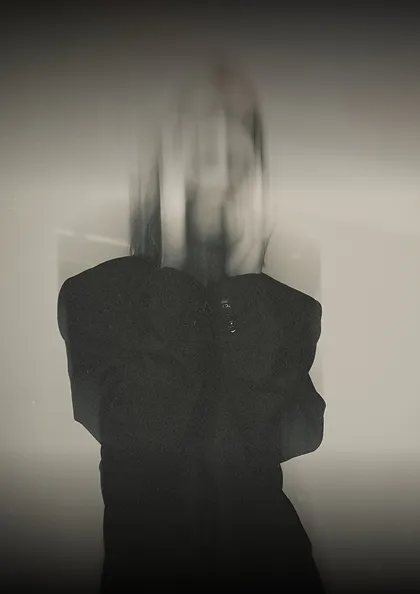
Physical design should express the emotional problem. A monster representing shame might have a face that changes whenever someone looks directly at it. A creature embodying grief could leave behind familiar voices, forcing survivors to follow sounds they know cannot be real. A predator linked to perfectionism might be endlessly unfinished, growing extra fingers, eyes or teeth whenever its victim makes a mistake.
Avoid adding details simply because they look grotesque. Every feature should either reveal the fear, complicate it or create a practical danger. The sound of a creature’s breathing may matter more than its size. A damp footprint outside the bedroom can carry greater menace than a towering silhouette if the story is about invasion and helplessness.
Let The Monster Follow Rules
Readers accept impossible creatures when the creature behaves according to a clear internal logic. Rules create suspense because characters can make informed decisions, even when those decisions are desperate. The monster may appear only when someone lies, feed on names, or cross a threshold after being invited.
The rules should also expose the central fear. A creature associated with social rejection might become stronger whenever the protagonist is ignored. One connected to guilt may vanish when the character confesses, but return whenever they excuse their actions. In a short story, two or three carefully chosen rules are usually enough to make the threat feel coherent.
Use The Setting As Part Of The Monster
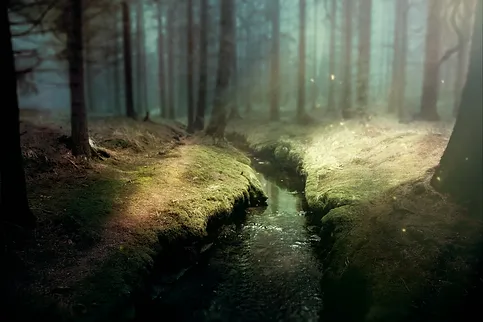
Place the creature in a landscape that intensifies its meaning. A Sydney apartment block can turn ordinary walls, lifts and shared corridors into a maze of exposure. A remote Queensland road can make distance feel like a trap. The setting should restrict escape or distort the character’s assumptions about safety.
Everyday habits are useful anchors. A commuter listening to a podcast on the way to work may notice that the voice has begun addressing private memories. Someone buying a flat white before an early shift may see the same stranger reflected in every café window. Familiar routines make the impossible interruption immediate, especially for Australian readers who recognise the rhythm of packed trams, long drives and hurried errands.
Keep The Creature Partly Unexplained
Explanation can weaken a monster by turning it into a puzzle with a final answer. Mystery works best when the reader understands the emotional truth without receiving a complete biological or historical account. Let evidence conflict. One witness may call it a ghost, another a sickness, and the protagonist may suspect it is a consequence of their own choices.
Short fiction benefits from selective revelation. A story published in a venue such as the digital fiction issue can trust readers to notice recurring images, missing details and unsettling patterns. The creature’s identity may remain uncertain while its effect on the character becomes unmistakable.
Make The Human Response The Real Horror
A monster becomes memorable through what people do around it. Neighbours may deny its existence to protect property values. A family may conceal an attack because admitting the truth would expose an old betrayal. Authorities may classify an impossible event as a public nuisance, leaving vulnerable people to deal with it alone.
This social reaction can connect speculative horror to local realities without making the story feel like a lesson. Fear of fire, unstable housing or bureaucratic indifference can shape the characters’ decisions. Even legislation can become part of the atmosphere: a threat involving stolen recordings, images or stories might raise questions about privacy and ownership under Australia’s Copyright Act 1968. The legal detail should serve the tension, showing how ordinary systems struggle to contain an extraordinary danger.
End With Transformation, Not Explanation
The final movement should show what the fear has changed. The protagonist may defeat the creature, accept it, become like it, or discover that the monster was protecting them from a worse truth. A neat victory is optional; emotional movement is essential.
One powerful ending leaves the creature alive but alters its meaning. A woman terrified of being forgotten might destroy the entity that preserves every memory, only to realise that remembrance without consent is another form of imprisonment. A man hunted by a creature that repeats his voice may finally speak in his own words. When the monster reflects a human fear clearly, the last image can stay with readers long after the creature disappears.